

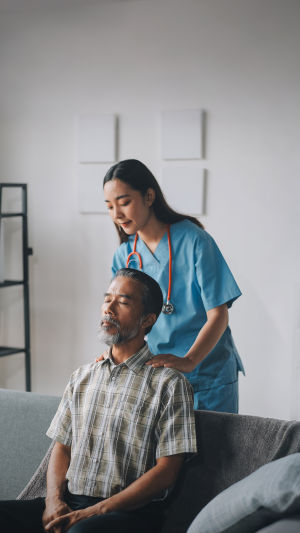
Muscle cramps are sudden involuntary contractions of muscles that can cause intense pain and discomfort.
They often occur unpredictably and can affect anyone, from athletes to the elderly.
<h3>Causes of Muscle Cramps</h3>
Muscle cramps arise primarily from complex interactions involving the nervous system and muscle fibers. One key factor is the hyperexcitability of motor neurons, which are nerve cells that stimulate muscle contraction. When these neurons become overactive or disorganized, they trigger sustained muscle contractions despite the absence of deliberate movement.
This neural misfiring can occur due to factors like mechanical nerve irritation, electrolyte imbalances affecting nerve impulse transmission, or metabolic disruptions within muscle cells. Muscle cramps have been linked to insufficient levels of electrolytes such as magnesium, potassium, and calcium, which play vital roles in muscle contraction and relaxation. Dehydration exacerbates these imbalances, making cramps more likely.
Apart from biochemical causes, muscle fatigue and overuse are common contributors. When muscles are pushed beyond their endurance limits, energy-producing mechanisms may falter, leading to inadequate ATP (adenosine triphosphate) availability. Since ATP is necessary for muscle fibers to relax, its deficiency locks the fibers in a contracted state, resulting in cramping. Note that muscle inactivity, especially prolonged periods without movement, can increase cramp frequency due to poor circulation and muscle stiffness.
Aging also influences cramp prevalence by reducing muscle elasticity, diminishing blood flow, and impairing nerve function. Certain medications, including diuretics and statins, have side effects that can precipitate muscle cramps by altering electrolyte levels or muscle metabolism. While some cases stem from underlying nerve pathologies, the majority of cramps occur in otherwise healthy individuals due to benign causes.
<h3>Effective Relief Tips for Muscle Cramps</h3>
Stretching the affected muscle gently and steadily remains the gold standard for immediate cramp relief. Dynamic stretching before exercise prepares muscles by increasing blood flow and flexibility, whereas static stretching after activity and before rest helps reduce cramp episodes. Massaging the cramped muscle can further enhance relaxation by improving local circulation and breaking the contraction cycle.
Hydration plays a pivotal role in preventing cramps. Drinking sufficient water replenishes fluids lost through sweat and supports electrolyte balance. In scenarios of intense physical exertion or heat exposure, beverages containing electrolytes may offer additional benefits. Applying heat, such as a warm towel or bath, helps relax tight muscles by increasing blood flow and muscle elasticity. Alternatively, cold applications can reduce pain and inflammation after the cramp subsides.
Dr. Julie A. Miller, a sports medicine physician at the Mayo Clinic, emphasizes that preventing muscle cramps relies heavily on proper hydration and maintaining an electrolyte balance. She explains that adequate fluid intake, along with sufficient levels of sodium, potassium, and magnesium, plays a crucial role in avoiding cramps, especially during physical activity or in hot environments.
In-depth understanding of muscle cramps reveals they are multifactorial events involving nervous system excitability and muscle physiology. Their management is greatly aided by a combination of stretching, hydration, and heat or cold therapy. By acknowledging contributing factors such as electrolyte imbalance, muscle fatigue, and aging, individuals can take proactive steps to minimize discomfort and maintain muscle health.


