

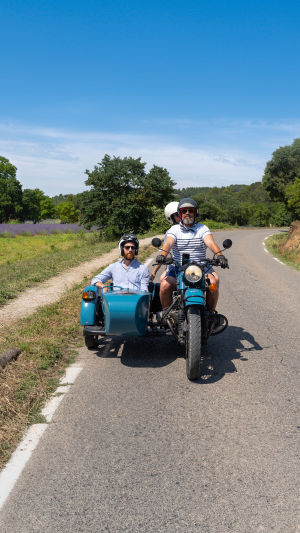
Every traveler dreams of seeing it all—the famous sights, the hidden corners, the perfect café. But trying to squeeze everything into one trip often leads to exhaustion instead of excitement.
The truth is, the best journeys aren't about doing more—they're about choosing better. That's where the balance between must-sees and nice-to-haves comes in.
For Lykkers who love exploring with intention, this guide helps you design trips that feel meaningful and manageable. You'll learn how to identify what truly matters to you and build a travel plan that stays inspiring, not overwhelming. The goal isn't just to check places off a list—it's to create space for moments that actually stay with you.
<h3>Defining Your "Must-Sees"</h3>
Must-sees are the heartbeat of your journey—the places or experiences that give your trip its meaning. But finding them isn't about following top-ten lists. It's about understanding what excites you the most.
<b>Start With Your Purpose</b>
Before diving into travel blogs or maps, take a minute to ask yourself what this trip is really about. Are you chasing history, nature, food, or relaxation? Once you know the purpose, it's easier to spot which experiences are essential. For example, if your trip to Kyoto is about culture, visiting ancient temples may rank higher than shopping streets. If you're exploring Iceland for its scenery, those waterfalls and volcanic landscapes become non-negotiables.
<b>Pick Your Top Three Per Destination</b>
To keep things realistic, choose no more than three true must-sees for each destination. Think of them as anchors—key experiences that define your journey. These might include one iconic site, one personal-interest activity, and one local experience. This mix keeps your trip balanced between famous attractions and personal discoveries. By limiting your list, you free up time to actually enjoy these moments rather than racing through them.
<b>Research, But Don't Overload</b>
It's easy to get lost in endless recommendations online. Instead of collecting every "hidden gem," focus on reading about the places that genuinely spark curiosity. Look for traveler stories, not just rankings. A simple question helps: "Would I feel disappointed if I missed this?" If the answer is yes, it's a must-see. If not, it's probably a nice-to-have.
<h3>Embracing the "Nice-to-Haves"</h3>
Nice-to-haves are your travel safety net—they add flexibility, surprise, and spontaneity. They fill in the quiet spaces between your must-sees and make your trip feel less like a plan and more like an experience.
<b>Keep Them Light and Optional</b>
Your nice-to-haves should never feel like obligations. They're the "maybe" list—activities you can add if time, mood, and weather allow. A charming side street, a recommended bakery, or a short detour to a scenic overlook all fit here. You can jot them down under each day's plan, but don't fix them into your schedule. When your must-sees are done, these small adventures become joyful bonuses instead of stress points.
<b>Leave Room for the Unexpected</b>
The beauty of travel lies in the moments you don't plan—the café you stumble upon, the local festival you didn't know existed, or the sunset that makes you stop in your tracks. By not overfilling your itinerary, you leave space for these magic moments to happen. Think of nice-to-haves as your "open" for spontaneity. They let you say yes when something unexpected calls your name.
<b>Learn to Let Go Gracefully</b>
No matter how perfectly you plan, something will shift. Maybe a museum closes early, or the weather ruins your outdoor day. When that happens, don't rush to replace the experience. Use that time to rest, people-watch, or simply wander. Travel isn't about completing every plan—it's about feeling connected to where you are. The nice-to-haves can always wait for your next visit—and that's perfectly fine.
<b>Mix Structure with Flexibility</b>
A well-designed itinerary combines both worlds: must-sees for direction, nice-to-haves for freedom. Imagine each day as a frame—you fill it with a few highlights, then let the rest stay fluid. You can start your day knowing the one or two things you truly want to experience and still have the freedom to follow your instincts afterward. It's travel that breathes, not travel that races.
Prioritizing must-sees versus nice-to-haves is the secret to enjoying travel without exhaustion. Your must-sees give structure and purpose, while your nice-to-haves keep you flexible and open to discovery. For Lykkers, the most rewarding journeys happen when planning meets presence—when you know what matters most but still leave room for wonder.
So next time you plan a trip, pack curiosity, not just schedules. Because sometimes, the best memories aren't the ones you planned—they're the ones that found you.


