

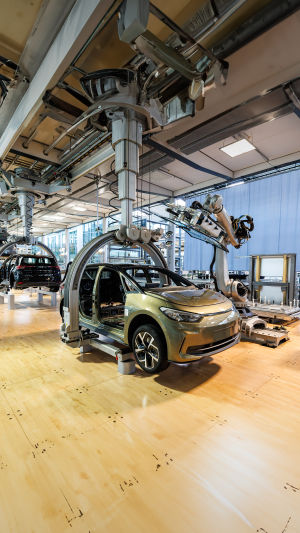
Picture a car factory where robots assemble cars faster and more efficiently than humans ever could.
It sounds like the future, but this is already happening. Automation and artificial intelligence (AI) are revolutionizing industries across the board, and the automotive sector is no exception.
While some fear that these innovations might put jobs at risk, they also open up a world of new opportunities. Let's explore how AI and automation are reshaping the car industry job market, creating challenges and new possibilities at the same time.
<h3>The Rise of Automation in Manufacturing</h3>
Automotive factories are leading the way when it comes to adopting automation. Robotic arms and AI-driven systems are already assembling car parts, welding, painting, and testing with precision that humans can't match. These advancements have significantly reduced the number of workers needed for repetitive tasks on the production line.
<b>Example: Tesla's Gigafactory</b> uses automated systems to produce electric vehicles, with machines handling everything from battery assembly to final quality checks. This has streamlined the manufacturing process, but also reduced the number of manual labor positions available. As automation becomes more widespread, workers in these roles need to adapt or transition into other areas of the industry.
<h3>Job Displacement and the Shift in Skills</h3>
One of the biggest concerns around automation is job displacement. Roles that once required manual skills, like assembly line work, are being replaced by machines. However, it's not all a problem. Many traditional jobs are being redefined, and new ones are emerging that require different skill sets.
<b>Example: Data analysis and machine learning</b> are now essential in the automotive world. As car manufacturers integrate AI into everything from production to customer service, workers will need to learn how to interact with these new technologies. Companies will increasingly look for employees skilled in programming, data science, and robotics to help maintain and improve these systems.
<h3>New Opportunities for High-Skill Workers</h3>
While automation may reduce some positions, it also creates opportunities for highly skilled workers. Engineers, software developers, and IT specialists are now in high demand, as manufacturers need people who can develop, implement, and maintain AI systems.
<b>Example: Autonomous vehicle development</b> has created a surge in demand for software developers and AI experts who can work on the complex algorithms that make self-driving cars possible. Companies like Waymo and Uber are hiring thousands of specialists to create safer and more efficient autonomous systems, opening doors for tech-savvy individuals looking to break into the automotive industry.
<h3>The Service Industry: AI Meets Customer Support</h3>
While automation might be taking over the production line, it's also influencing how vehicles are sold and serviced. AI is increasingly used in customer support, from chatbots answering queries about car models to diagnostic systems that can detect car issues before they become major problems.
<b>Example: AI-driven service diagnostics</b> are being implemented in many dealerships and repair shops. These systems can scan a car for issues and recommend repairs before a mechanic even looks under the hood. This doesn't eliminate jobs but rather shifts the focus to higher-level repair tasks, making the mechanic's job more about problem-solving than routine checks.
<h3>Automation in the Supply Chain</h3>
It's not just the assembly line that's being automated. The entire supply chain is getting a makeover, too. Logistics companies are using AI-powered robots to track inventory, streamline deliveries, and optimize production schedules. This has improved efficiency, but it also means that traditional supply chain jobs are changing.
<b>Example: Self-driving trucks</b> are already being tested to transport car parts between factories and distribution centers. This could significantly reduce the need for truck drivers in certain areas, but it also creates a demand for people who can manage, maintain, and repair these automated vehicles. The shift requires workers to adapt by gaining expertise in new areas, such as robotics or remote vehicle monitoring.
<h3>Upskilling and Reskilling: Key to the Future</h3>
The rise of automation and AI in the automotive industry means workers need to upskill or reskill to remain relevant. Companies are investing in training programs to help their employees adapt to the changing landscape. Whether it's learning to operate advanced machines or mastering data analytics, upskilling is essential for workers who want to stay ahead.
<b>Example: Ford's “upskilling” initiative</b> has launched programs to help its workers learn new skills like 3D printing, virtual reality, and AI programming. By equipping workers with the skills they need to work alongside robots and AI, Ford is preparing its workforce for a future where technology plays an even bigger role in car manufacturing and service.
The automotive industry's embrace of automation and AI is both exciting and challenging. While some jobs may be phased out, many new roles will emerge, requiring a shift in skills. The key to navigating this transformation lies in education and adaptability. For workers who are willing to upskill and embrace new technologies, the automotive sector promises a world of opportunities.
As AI and automation continue to evolve, so too will the jobs of the future—changing the way we think about work in the car industry.


