

Think about it: the car you're driving, the road you're cruising on, and even the mechanic who services your ride all stem from one massive industry—the automotive sector.
It's a lot more than just assembly lines and car dealerships; the auto industry plays a crucial role in creating jobs worldwide, influencing everything from design and production to services and maintenance.
Let's explore how this industry affects global employment, creating opportunities across a variety of sectors.
<h3>Manufacturing: The Backbone of Auto Jobs</h3>
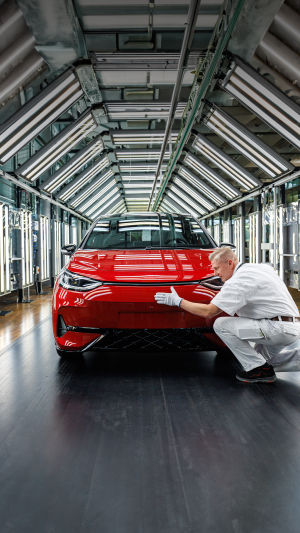
When you think of the automotive industry, the first thing that likely comes to mind is manufacturing. Car factories employ millions, from assembly line workers to engineers. It's an entire network of specialists working together to build the vehicles we rely on.
<b>Example: Automotive assembly plants</b> in countries like the U.S., Germany, and Japan are prime job hubs, with workers involved in everything from bodywork to quality control. In addition, specialized roles such as welders, paint sprayers, and machine operators are essential to production, adding layers of employment in the process.
For example, Ford's Michigan Assembly Plant employs over 7,000 workers who are responsible for manufacturing various models, creating a ripple effect on local economies as suppliers, contractors, and logistics companies also contribute to production.
<h3>Research and Development: Innovation Drives Careers</h3>
While the assembly line is critical, the development phase of a car also creates an abundance of high-skill jobs. Engineers, designers, software developers, and even scientists are involved in developing new technologies that shape the future of the automotive world.
<b>Example: Electric vehicles (EVs)</b> have dramatically changed the industry landscape, leading to an increase in demand for engineers and designers focused on battery technology, motor development, and eco-friendly materials.
Companies like Tesla have created thousands of jobs in their research and development sectors, with roles dedicated to designing software systems, improving energy efficiency, and creating more sustainable cars. As the market shifts towards greener solutions, this trend is likely to continue, providing job security and innovation-driven careers.
<h3>Sales and Dealerships: Connecting Consumers with Cars</h3>
Once a car is built, it needs to be sold. That's where car dealerships come into play, employing thousands in sales, customer service, and support roles. Car salespeople, finance managers, and marketing teams are all essential parts of the process. It's a career sector that supports a variety of skill sets, from interpersonal communication to financial acumen.
<b>Example: Online car sales</b> have boomed in recent years, further expanding the types of roles available. The rise of platforms like Carvana or Vroom has created opportunities in digital marketing, data analysis, and customer support. The automotive sales industry, both online and offline, remains one of the largest employers in many regions due to the consistent demand for vehicles and the constant need for skilled individuals to connect buyers with the right products.
<h3>Maintenance and Repair: Keeping Cars on the Road</h3>
Once a car is sold, it requires ongoing maintenance and repair—another avenue for employment in the automotive industry. Mechanics, technicians, and parts specialists play a significant role in ensuring vehicles run smoothly, providing not just an essential service but a steady stream of job opportunities.
<b>Example: Independent auto repair shops</b> thrive in local markets, often providing jobs for skilled workers who specialize in diagnostics, electrical systems, and transmission repairs. As cars become more complex with technological advancements, such as onboard computers and sensors, there's an increasing demand for technicians trained in these fields.
The rise of electric cars, in particular, has led to a surge in demand for EV-specific service experts, creating new niches within the maintenance sector.
<h3>Supporting Industries: The Ripple Effect of Auto Jobs</h3>
The automotive industry doesn't work in isolation. It has a far-reaching impact on other sectors that supply raw materials, logistics, and technology. From steel mills to tech startups, the car industry supports millions of jobs indirectly.
<b>Example: Parts suppliers</b> and logistics companies are essential to the automotive supply chain. Companies that provide everything from tires to airbags to sensors create a wide range of jobs in engineering, production, and distribution.
For instance, Goodyear, one of the largest tire manufacturers, employs thousands of people worldwide, contributing significantly to the local and global economies. Likewise, shipping companies that transport vehicles and auto parts rely on the constant flow of goods, creating jobs in warehousing, transportation, and logistics management.
The global impact of the automotive industry on employment cannot be overstated. From the factory floor to the service station, the jobs created are diverse, impactful, and crucial to economies around the world. Whether you're an engineer, mechanic, or salesperson, the opportunities within the car industry are vast.
The next time you drive down the road, think about how that car—and the industry behind it—supports so many lives and livelihoods across the globe.


