

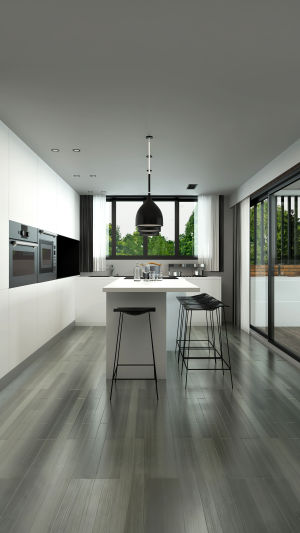
Many buyers struggle to envision a home's potential. Empty rooms may feel smaller, awkward layouts appear unusable, and dated décor can raise doubts.
Staging replaces guesswork with clarity. It frames scale, function, and flow so shoppers instantly understand where a sectional fits, how a dining area breathes, and why a flex room matters. A polished presentation also signals care. Fresh paint, balanced lighting, and tidy landscaping whisper “move-in ready,” lowering perceived effort and risk for buyers.
<h3>Price Psychology</h3>
Great staging does more than “look nice”—it reframes value. When rooms feel cohesive and livable, buyers anchor to a higher number and justify it emotionally. Industry surveys routinely report that staged homes command meaningful premiums and stronger terms.
Run the math: on a $1,000,000 listing, a conservative 5% uplift equals $50,000. If full staging costs $6,000–$10,000, the spread is compelling. It’s marketing that pays for itself.
<h3>What It Costs</h3>
Costs vary by size, location, and duration:
Low budget ($500–$2,000): deep clean, declutter, minor repairs, neutral linens, strategic accessories, and a professional consult for a room-by-room plan.
Mid budget ($2,000–$10,000): partial staging—living, dining, kitchen, and the main suite—plus rental art, rugs, lamps, and pro photography.
High budget ($10,000–$20,000+): full-home staging, outdoor moments, premium furniture, and longer rental terms for larger or luxury properties.
Virtual staging ($30–$100 per photo) boosts online appeal for vacant homes, but temper expectations at showings; pair with light physical touches so rooms don’t feel stark.
Tax note: legitimate staging expenses typically reduce taxable gain as selling costs—document everything and confirm with a tax professional.
<h3>Free Staging Tactic</h3>
After negotiating the listing agreement, ask the agent to cover staging as part of their commission. Many have preferred rates with stagers and will credit the cost at closing on successful sales. The usual structure: the seller funds upfront; the agent reimburses on close.
<h3>Faster Sales</h3>
<b>Time kills price.</b> Staging shortens days on market by creating urgency and eliminating friction. Better photos drive more showings, clear room definitions reduce objections, and move-in visuals encourage swift, confident offers. Fewer “what ifs” means fewer second thoughts—and fewer price cuts.
<h3>Hot Market? Stage.</h3>
A rising tide lifts all boats, but the prettiest boat still wins. Staging doesn’t just attract more offers; it improves the quality of offers—cleaner terms, stronger earnest money, and fewer contingencies. In bidding scenarios, emotion can be the nudge that stretches budgets by another two or three percent.
<h3>Room-by-Room Tips</h3>
<b>Declutter and depersonalize</b>
Remove family photos, trophies, and excess furniture. Empty space reads as premium square footage; personal items distract and shrink rooms.
<b>Define every space</b>
Give each area a purpose: office, guest room, reading nook. Ambiguity lowers value; clarity sells functionality.
<b>Neutral, not bland</b>
Choose light, neutral walls; layer texture via rugs, throws, and art. Limit bold accents to small, switchable pieces.
<b>Light everywhere</b>
Maximize daylight by opening shades and cleaning windows. Add lamps to dark corners; upgrade to warm, bright bulbs for evening showings.
<b>Kitchen refreshers</b>
Swap dated hardware, repaint tired cabinets, and clear counters to three essentials max. A stylish runner and clean grout lift the whole space.
<b>Bath quick wins</b>
New mirrors, modern light bars, crisp towels, and a neutral shower curtain change the vibe for little cost.
<b>Primary suite serenity</b>
Hotel-style bedding, balanced nightstands, and soft lamps create calm. Ensure a queen or king fits with walking space—scale matters.
<b>Curb appeal counts</b>
Power-wash paths, mulch beds, trim hedges, and paint the front door. Replace tired house numbers and a rickety mailbox; buyers decide before the foyer. "You never get a second chance to make a first impression," Will Rogers.
<b>Photo-first mindset</b>
Stage for the camera: symmetrical vignettes, clear sight lines, and no cord clutter. Online images are the first showing.
<h3>Work With Stagers</h3>
Pros bring inventory, scale savvy, and composition skills—but collaboration matters. If a layout crowds traffic or removes useful lighting, speak up. Function trumps flourish, especially if the home is still occupied. Keep an “edit list” and resolve changes in one efficient visit to avoid extra fees. Set expectations on rental duration, maintenance, and insurance coverage. Confirm what happens if the home sells early or sits longer than planned; build extensions into the agreement at pre-negotiated rates.
<h3>Metrics That Matter</h3>
Track showings per week, online saves, and feedback themes. If traffic is strong but offers lag, adjust the staging story: swap art, refresh a rug, or add a WFH corner in a flex room. Small pivots can unlock new buyer segments without a price cut.
<h3>Common Missteps</h3>
<b>Over-staging</b>
Too much furniture shrinks space. Err on fewer, larger pieces with clear walkways.
<b>Ignoring repairs</b>
Staging can’t hide peeling paint, leaky faucets, or worn carpet. Fix first, then furnish.
<b>Color clashes</b>
Wild palettes narrow the pool. Keep bases neutral; let accents add personality.
<b>Skimping on photos</b>
Great staging with poor photography wastes money. Hire a pro who shoots interiors—twilight exteriors help, too.
<h3>Conclusion</h3>
Staging is not decoration; it’s a pricing and speed strategy. It solves imagination gaps, elevates perceived value, and compresses time on market—usually for a fraction of the uplift it creates. If the goal is maximum net proceeds with minimum drama, stage like a marketer. What would an extra 3–10%—and a faster close—unlock for your next move?


