

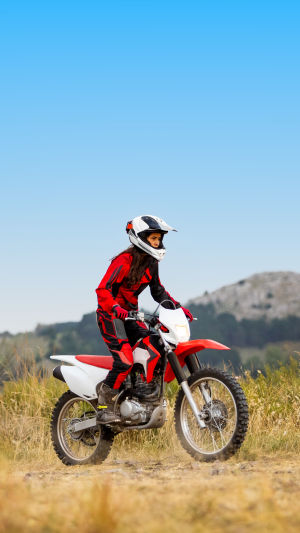
When you hop on your motorcycle, the thrill of the ride is unbeatable.
The wind in your face, the engine's roar beneath you, and the freedom of the open road—it's why many riders choose motorcycles over cars.
That exhilaration comes with an undeniable risk: the possibility of a crash. Whether you're a weekend warrior or an everyday commuter, ensuring your safety should always be a priority.
One of the most effective ways to protect yourself? Motorcycle protective gear, especially knee, elbow, and chest protection. Why these pieces are not just optional, but essential.
<h3>Knee Protectors: Why They Matter</h3>
When it comes to riding safety, your knees are particularly vulnerable. In the event of a fall or crash, your knees are one of the first parts of your body to hit the ground, often sustaining serious injuries like fractures or abrasions. That's where knee protectors come in. These pieces of protective gear are designed to absorb impact, preventing cuts, bruises, or even more severe damage.
<b>1. Impact Resistance</b>: A knee protector is typically made from high-impact materials like plastic, carbon fiber, or Kevlar. These materials help distribute the force of the impact across the surface, reducing the likelihood of serious injury.
<b>2. Mobility and Comfort</b>: While safety is paramount, knee protectors are designed to allow for flexibility, ensuring they don't restrict your movement while riding. Look for models with adjustable straps and breathable materials for added comfort.
<b>Example:</b> A rider who crashes during a low-speed fall could experience a painful bruise or abrasion without knee protectors. With knee guards in place, the impact is softened, and the risk of knee injury is drastically reduced.
<h3>Elbow Protectors: Shielding Critical Joints</h3>
Elbow injuries can be incredibly painful and can severely affect your mobility. Like your knees, your elbows take the brunt of the impact when you go down. Elbow pads are not only designed to protect the joint but also to reduce the risk of road rash, which can be both painful and long-lasting.
<b>1. Contouring for Fit</b>: A good elbow protector fits comfortably over the joint without restricting movement. Look for products with a flexible, form-fitting design, which ensures you maintain a full range of motion while keeping you protected.
<b>2. Multi-layered Protection</b>: Many elbow protectors use multiple layers of material—like foam padding combined with hard plastic shields—to maximize protection. This combination offers both comfort and defense, which is crucial when riding at high speeds.
<b>Example:</b> In a case where a rider loses control in wet conditions, their elbow hits the ground first. Without elbow pads, they might suffer from severe road rash or a dislocated joint. With elbow protectors, the impact is spread out, preventing deeper cuts or more painful injuries.
<h3>Chest Protection: Defending Your Vital Organs</h3>
When it comes to safety gear, many riders focus on the head and knees, but the chest is another crucial area that shouldn't be overlooked. In the event of a crash, the chest, ribs, and organs are particularly vulnerable. Chest protectors or armored jackets are designed to shield these vital areas.
<b>1. Rib Protection</b>: One of the most important functions of chest protectors is to guard the ribs, which can easily break upon impact. The protective gear is designed to absorb the force and reduce the risk of rib fractures.
<b>2. Spinal Defense</b>: Many chest protectors also extend to the back, providing additional protection for the spine. This is vital, as spinal injuries can result in permanent damage. A back protector in a jacket or chest protective padding can significantly reduce the risk of such injuries.
<b>Example:</b> In high-speed crashes or off-road riding, where falls are often unpredictable, a chest protector can protect you from life-threatening injuries. For example, a rider falling off a dirt bike might face blunt force trauma to the ribs—without proper chest protection, a serious injury like a fractured rib or punctured lung is possible.
<h3>Choosing the Right Protective Gear</h3>
Now that we've covered the basics of knee, elbow, and chest protection, how do you select the right gear for your needs?
<b>1. Fit is Key</b>: Always make sure the gear fits properly. If it's too loose, it won't protect you effectively; if it's too tight, it could hinder your movement. Look for adjustable straps and flexible materials to get the best fit.
<b>2. Consider the Riding Style</b>: The gear you choose will depend on your riding style. Street riders, for instance, may prioritize lightweight, breathable gear, while off-road riders might require more heavy-duty protectors.
<b>3. Check for Certification</b>: Look for gear that meets established safety standards. Many countries have certifications for protective gear, ensuring that it meets a certain level of quality and safety. For example, CE (Conformité Européenne) certified products have passed rigorous testing for durability and performance.
<h3>Real-World Impact: Why Gear Saves Lives</h3>
Statistics show that proper protective gear can make all the difference in the event of a crash. For instance, studies have shown that wearing knee and elbow guards reduces the severity of injuries by as much as 70%. And with chest protection, injuries to the vital organs can be reduced by a significant margin.
<b>Example:</b> A motorcyclist involved in a low-speed crash who was wearing knee, elbow, and chest protection reported fewer injuries. They only experienced mild abrasions, thanks to their protective gear, compared to more severe damage seen in crashes where riders had minimal protection.
<h3>Gear Up for Safety</h3>
Riding a motorcycle is an incredibly freeing experience, but it's not without its risks. Knee, elbow, and chest protection are not just optional accessories—they're life-saving investments that make a significant difference in protecting your body from serious injury. While no gear can guarantee complete safety, wearing the right protection dramatically reduces the risk of severe injuries.
So next time you gear up, make sure you've got the essentials: knee guards, elbow pads, and a solid chest protector. Your future self will thank you.


