

A quiet living room, the soft glow of a screen, and a story that begins without loud action or flashy jokes—just two people sharing ordinary days together.
That opening sequence in Up feels less like a cartoon and more like flipping through someone's real memories. Before the adventure even starts, the film gently reminds you how quickly time passes and how meaningful small moments can be.
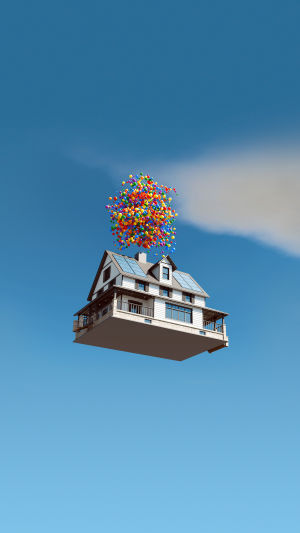
What makes this movie special isn't only the floating house or the colorful journey through the sky. It's the emotional honesty hidden inside a simple story. Looking closely at how the film works can help you appreciate storytelling in a deeper, more personal way.
<h3>Emotion Told Through Simple Moments</h3>
The first minutes of Up show daily life rather than dramatic events. That creative choice builds a strong emotional connection without using complicated dialogue.
<b>1. Quiet storytelling</b>
The montage of shared life—saving coins, fixing a home, growing older—shows love through routine. Nothing feels exaggerated.
Actionable example: When watching again, pause after the opening sequence and notice how music, color, and timing replace spoken words. This helps you understand how visual storytelling communicates feelings.
<b>2. Contrast between past and present</b>
After the joyful memories, the main character is suddenly alone in a silent house. The emotional shift is clear and immediate.
Actionable example: Pay attention to sound design. The absence of background noise in later scenes strengthens the feeling of loneliness.
<b>3. Universal life themes</b>
Dreams that change, plans that fail, and memories that remain—these ideas feel familiar to almost anyone.
Actionable example: Think about a personal goal you once had. Comparing it to the character's journey makes the story feel more meaningful.
<h3>An Adventure That Reflects Personal Growth</h3>
The floating journey isn't just exciting scenery. It mirrors an internal change from holding on to the past toward accepting new connections.
<b>1. Movement as emotional progress</b>
Traveling far from home represents stepping away from grief. Each new place pushes the character to interact with others again.
Actionable example: Notice how the character's posture and expressions slowly soften during the trip. Physical animation reflects emotional healing.
<b>2. Unexpected friendship</b>
The young companion is energetic, curious, and persistent—the complete opposite of the older traveler. Their differences create humor but also balance.
Actionable example: Watch how small acts of kindness—sharing food, listening, helping—gradually build trust. This shows how relationships grow through actions, not speeches.
<b>3. Redefining the dream</b>
The original goal of reaching a distant paradise becomes less important than protecting the people beside him. The meaning of adventure changes.
Actionable example: After finishing the film, write one sentence describing what “adventure” means to you now. This reflection mirrors the character's realization.
<h3>Why the Film Connects Across Ages</h3>
Many animated stories focus mainly on humor or fast action. Up succeeds because it respects both younger and older viewers emotionally.
<b>1. Layered storytelling</b>
Children enjoy colorful visuals and funny side characters, while adults recognize themes of memory, regret, and renewal.
Actionable example: If possible, watch the movie with someone from a different age group and compare reactions. You'll likely notice different scenes resonate with each person.
<b>2. Clear but meaningful message</b>
The film suggests that life's value isn't measured by reaching a perfect destination. Meaning often appears in everyday companionship.
Actionable example: After watching, list three ordinary moments from your recent week that felt unexpectedly meaningful. This practice reflects the film's core idea.
<b>3. Gentle emotional pacing</b>
Rather than overwhelming viewers with constant drama, the story alternates between quiet reflection and light humor. This rhythm keeps emotions sincere.
Actionable example: Observe how calmer scenes follow intense ones. This pacing allows viewers time to process feelings instead of rushing forward.
Watching Up again after years often feels different. Details once overlooked become surprisingly powerful, especially the quiet reminders that time is limited and connection matters more than plans. The film doesn't loudly demand tears or laughter. Instead, it patiently invites you to notice what truly gives life weight—shared memories, small kindnesses, and the courage to keep moving forward even after loss.
Maybe that's why the floating house stays in people's minds long after the credits end. It isn't really about escaping the ground. It's about learning that new meaning can appear at any stage of life, sometimes in the most unexpected company. And the next time an ordinary day feels forgettable, remembering this gentle story might be enough to see that day differently.


