

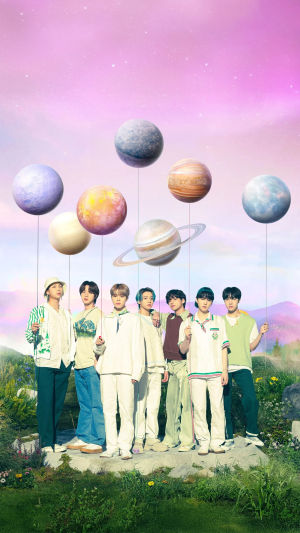
Scrolling through a playlist, it's easy to spot a BTS track: the beat hits just right, the vocals shift seamlessly, and the chorus lingers in your mind long after the song ends. Their music isn't just catchy—it's carefully crafted to connect emotionally and rhythmically with listeners around the world.
Every album, from “Dark & Wild” to “BE,” shows a clear evolution in style and depth, making BTS one of the most influential groups in modern pop music.
<h3>Emotional Storytelling Through Lyrics</h3>
BTS has a unique talent for turning personal and social experiences into songs that resonate globally. Each track often tells a story, tackling themes like self-identity, mental health, ambition, and love.
They combine poetic language with clear narrative arcs. A song might start with uncertainty in the verses and resolve with hope in the chorus.
Each member contributes to lyrics, adding authenticity. Rap lines by RM or Suga often dive into introspective thoughts, while Jin or Jimin bring emotive tones through melodic delivery.
Tracks like “Spring Day” use imagery—snow, seasons, distance—to convey longing, which strengthens the emotional connection.
An actionable example for listeners: pick a BTS song and follow the story arc in the lyrics. Notice how the narrative shapes your emotional response, and how repeated themes across songs create a larger message about growth and self-reflection.
<h3>Dynamic Musical Styles</h3>
One reason BTS stands out is their genre versatility. They don't stick to a single sound, but instead blend styles to enhance each song's mood.
Pop and hip-hop dominate many hits, but they frequently incorporate R&B, EDM, rock, and even jazz elements.
Instrumentation shifts to match emotional tone—soft piano for introspective tracks, synth-heavy beats for high-energy performances.
Vocal arrangements are crafted to highlight contrasts, like harmonizing in the chorus after solo verses to emphasize unity and highlight.
For aspiring musicians or curious fans, an actionable tip is to analyze a BTS song by its instrumentation layers. Note how percussion, bass, and synths support the vocal emotion. This teaches how musical elements work together to convey a story.
<h3>Choreography and Rhythm Integration</h3>
BTS music is inseparable from its choreography. Each beat, pause, and accent in a track often corresponds with movement, creating a complete performance experience.
Live shows showcase this synchronization. For example, in “Mic Drop,” the rap verses are sharp and aggressive, matched with strong, precise movements.
Softer tracks like “Butterfly” use flowing motions to reflect the gentle, contemplative rhythm.
This alignment amplifies the listener's emotional engagement, making music feel alive beyond audio.
An actionable idea: when listening to a BTS track, tap along or visualize movements. Notice how rhythmic patterns enhance emotional perception and memorability. This technique can improve both music appreciation and personal performance skills.
<h3>Collaborative Creativity</h3>
BTS's music shines because of teamwork and individual talent. Every member brings a unique voice and perspective, but they also collaborate closely with producers, songwriters, and choreographers.
The production process blends multiple inputs—lyrical ideas, beat programming, melodic suggestions—into cohesive songs.
Members often adjust their style to complement each other, like vocalists changing delivery to match rap intensity or harmonizing with backing tracks.
This collaborative approach ensures that the final product is balanced and emotionally resonant.
Actionable insight for creative teams: observe how BTS balances individuality and collaboration. When working on any project, allow each voice to contribute but aim for a unified message. This produces work that is richer and more compelling.
<h3>Global Appeal and Cultural Impact</h3>
BTS's music reaches millions worldwide, not only through catchy beats but because it speaks to shared human experiences. Themes of self-love, resilience, and community cross cultural boundaries.
Songs often include multilingual lyrics or universal concepts, making them accessible globally.
Music videos provide narrative and visual depth, amplifying song themes and creating immersive experiences.
Their approach encourages fan engagement, from discussions about song meaning to recreating choreography online.
For fans or creators, an actionable example is to examine how BTS uses universal themes in their music. Identify moments where the music or lyrics could resonate in your own community or context, emphasizing storytelling that transcends borders.
BTS demonstrates that music is more than sound—it's an emotional, rhythmic, and collaborative experience. By combining meaningful lyrics, dynamic instrumentation, synchronized movement, and teamwork, they craft songs that linger in memory and touch hearts. Observing their approach reminds us that careful attention to story, rhythm, and emotion can make any musical creation resonate far beyond its notes.


