

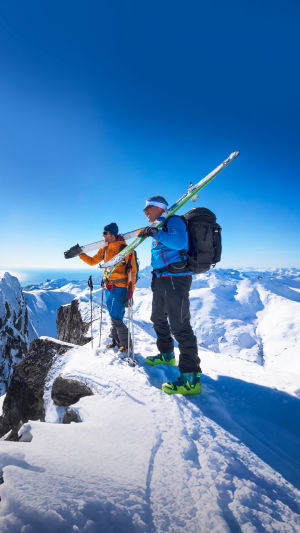
Snow crunches under your boots, the mountain air bites at your cheeks, and that first run of the day is calling.
Hitting the slopes is exhilarating, but without the right gear, even a short ski trip can turn uncomfortable—or worse, unsafe.
Knowing what to pack and how to use it makes all the difference between a smooth day of skiing and a stressful one.
<h3>Warm and Waterproof Clothing</h3>
The foundation of any ski trip is staying warm and dry. Skiing exposes you to wind, snow, and fluctuating temperatures, so layering is key.
<b>Key points:</b>
- Base layer: Lightweight thermal tops and bottoms wick moisture away from the skin. Look for synthetic or merino wool fabrics. For example, a merino wool top keeps you warm without overheating during long runs.
- Mid layer: Fleece jackets or insulated vests trap heat while remaining flexible. If you start a run feeling cold, adding or removing this layer can quickly regulate your temperature.
- Outer layer: Waterproof, breathable ski jackets and pants protect against snow and wind. Jackets with adjustable hoods and cuffs help seal out the cold and keep snow from sneaking inside.
Actionable tip: Test your clothing at home with a layering trial, moving and bending as if skiing, to ensure comfort and mobility before hitting the slopes.
<h3>Skis, Boots, and Bindings</h3>
Choosing the right skis and boots is essential for control and comfort. A mismatch can lead to sore legs or poor performance.
<b>Key points:</b>
- Skis: Select based on your skill level and the type of terrain. Beginner skis are shorter and more flexible, while advanced skis are longer and stiffer for stability at high speeds.
- Boots: Properly fitted ski boots prevent blisters and improve control. Visit a store for professional boot fitting, ensuring toes aren't cramped and heels stay snug during movement.
- Bindings: Bindings must be adjusted to your weight, skill, and boot size. They release in the event of a fall, reducing the risk of injury.
Actionable tip: After renting or buying skis, take a short trial run on a gentle slope to ensure your boots and bindings feel secure and responsive before tackling more challenging terrain.
<h3>Helmets and Eye Protection</h3>
Safety starts with protecting your head and eyes from impact and glare. Skiing accidents can happen even on calm runs.
<b>Key points:</b>
- Helmets: Always choose a helmet certified for skiing. Fit should be snug but comfortable, sitting level on your head without tilting.
- Goggles: Choose lenses appropriate for conditions. Darker lenses reduce glare on sunny days, while yellow or rose lenses enhance visibility in cloudy or low-light conditions.
- Lens care: Anti-fog coatings and ventilation prevent fogging, keeping your vision clear during intense activity.
Actionable tip: Adjust your goggles strap over your helmet so they stay secure even during jumps or turns, and always carry a microfiber cloth for cleaning snow or moisture buildup.
<h3>Gloves, Socks, and Accessories</h3>
Small items often make the biggest difference in comfort and warmth.
<b>Key points:</b>
- Gloves: Waterproof, insulated gloves with wrist closures prevent snow from entering and keep fingers warm. Mittens offer extra warmth for colder days.
- Socks: High-quality ski socks reduce friction and wick moisture. Avoid cotton, which retains moisture and chills the feet.
- Accessories: Neck gaiters or balaclavas protect the face from windburn. Hand and foot warmers are handy for long runs or extremely cold days.
Actionable tip: Test gloves and socks together with your boots before a full day of skiing to ensure there's enough room for circulation without compromising warmth.
<h3>Optional but Helpful Gear</h3>
While not strictly essential, these items enhance safety and convenience.
<b>Key points:</b>
- Poles: Help with balance and rhythm on flatter runs or when pushing uphill. Adjustable poles can be fine-tuned for your height.
- Backpacks: Small ski backpacks carry water, snacks, sunscreen, or extra layers. Look for lightweight, waterproof designs with chest or waist straps for stability.
- Avalanche safety tools: For off-piste or backcountry skiing, carry a beacon, probe, and shovel, and take a course on safe usage.
Actionable tip: Even if you plan on skiing groomed slopes, packing a compact backpack with water, snacks, and sunscreen ensures you're prepared for a longer day or unexpected delays.
Getting your ski gear right transforms your day from chilly and frustrating to smooth and exhilarating. Proper clothing, well-fitted boots and skis, protective equipment, and thoughtful accessories allow you to focus on carving turns and enjoying the mountain scenery. The next time you prepare for a ski trip, take a moment to check each layer and piece of gear—comfort and safety are the first steps to unforgettable slopes adventures.


