

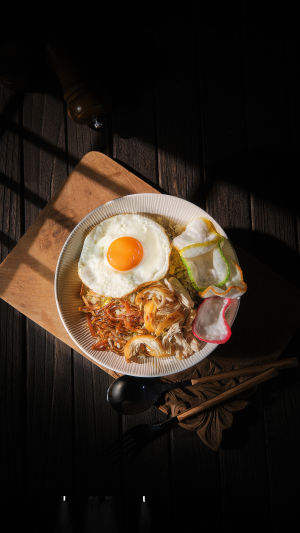
The quiet sound of an egg meeting a warm pan is often the first sign that a slow morning has begun.
Light spreads through the kitchen window, coffee warms nearby, and for a moment the day feels unhurried.
Pan-fried eggs look simple, yet getting the texture just right—tender whites, rich yolk, gentle flavor—depends on a few careful choices that anyone can learn.
<h3>Ingredients for a clean, simple start</h3>
A good fried egg begins with very few ingredients. Fresh eggs matter most because the whites stay compact and the yolk keeps a rounded shape. A small amount of neutral cooking oil prevents sticking and helps heat spread evenly across the surface. Salt, added at the right moment, enhances flavor without overpowering the natural taste.
Here's a practical preparation list before turning on the stove:
Two fresh eggs at room temperature
One teaspoon neutral cooking oil or a small piece of butter alternative
A tiny pinch of salt
Optional ground pepper or herbs for finishing
Placing everything within reach keeps the cooking process calm. This small habit prevents rushing, which often causes overcooking.
<h3>Choosing the right pan and heat level</h3>
<b>- Flat cooking surface</b>
<b>- Medium-low heat</b>
<b>- Even temperature control</b>
The pan shapes the final texture more than people expect. A smooth, non-stick surface allows the egg to cook gently without tearing. Heat should stay at medium-low rather than high. Slow cooking keeps the whites tender and prevents the bottom from turning too dark before the top sets.
To test the temperature, add a drop of water to the pan. If it softly sizzles instead of popping loudly, the heat is ready. This simple check avoids guesswork and leads to more consistent results.
Another useful step is letting the oil warm for about 20–30 seconds before adding the egg. Warm oil spreads thinly and creates a protective layer that keeps the egg from sticking.
<h3>Step-by-step frying method</h3>
<b>- Gentle cracking</b>
<b>- Slow setting whites</b>
<b>- Soft, rich yolk</b>
Cooking a beautiful fried egg follows a calm sequence rather than fast movement.
Break the egg into a small bowl first, not directly into the pan. This keeps shell pieces out and protects the yolk.
Slide the egg gently into the warmed pan. Keep the heat steady and avoid moving it immediately.
Let the whites slowly turn opaque from the edges inward, about two to three minutes.
Sprinkle a tiny pinch of salt once the surface begins to set.
Cover the pan briefly for a softer top, or leave uncovered for a slightly firmer finish.
Watching the color change is the best guide. When the whites are fully set and the yolk still looks glossy, the egg is ready.
<h3>Different textures you can create</h3>
<b>- Sunny and soft</b>
<b>- Lightly flipped</b>
<b>- Fully set center</b>
Small timing changes create very different eating experiences. Leaving the egg unflipped keeps the yolk flowing gently when cut. Flipping it briefly cooks a thin layer over the yolk while keeping the center creamy. Cooking longer produces a fully firm middle for those who prefer a drier texture.
Try this simple comparison across three mornings:
Day one: cook without flipping for a soft yolk.
Day two: flip for ten seconds to create a thin seal.
Day three: cook longer for a firm center.
Tasting the difference helps you discover your personal preference more clearly than any written description.
<h3>Serving ideas that keep it balanced</h3>
<b>- Warm grain base</b>
<b>- Fresh vegetables</b>
<b>- Light seasoning touch</b>
A fried egg becomes more satisfying when paired with gentle, simple foods. Placing it over warm whole-grain toast or steamed rice creates contrast between soft yolk and steady texture. Adding sliced tomato, leafy greens, or avocado brings freshness that balances richness.
For an easy everyday plate:
Toast one slice of whole-grain bread.
Add a handful of fresh greens.
Place the fried egg on top and finish with a small pinch of salt or herbs.
This combination offers protein, fiber, and natural flavor without complicated cooking.
<h3>Keeping flavor and texture at their best</h3>
<b>- Serve immediately</b>
<b>- Avoid high heat</b>
<b>- Use fresh ingredients</b>
Fried eggs taste best within moments of leaving the pan. Waiting too long allows the yolk to firm and the whites to lose softness. Cooking at lower heat may take slightly more time, but it protects both flavor and texture.
If you need to prepare multiple eggs, cook them one at a time rather than crowding the pan. This keeps temperature steady and prevents uneven edges. Small patience during cooking often creates a noticeably better result on the plate.
A pan-fried egg is one of the simplest foods you can make, yet it quietly teaches attention, timing, and care. Standing by the stove for a few calm minutes can slow the rhythm of an entire morning. When something so small turns out just right, it reminds you that comfort doesn't always come from complicated meals—sometimes it begins with a single egg, gently cooked and enjoyed while the day is still quiet.


