

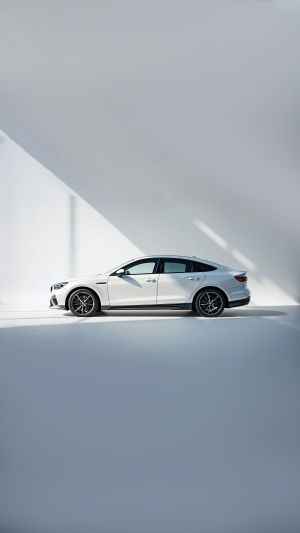
Have you ever noticed how some cars just seem to stay looking pristine, even after months of use, while others start showing dirt and scratches right away?
Color is one major factor, along with finish type, driving conditions, and how the car is cared for. The car color you choose can play a big role in how often it needs cleaning, how well it hides dirt, and how long it keeps a fresh-looking appearance.
While picking a color may seem like a fun decision, it also has practical implications.
Picking the right color can make your car easier to maintain, look newer for longer, and in some cases help with resale value. So how do you choose a color that's both stylish and practical? Let's break it down.
<h3>Dark Colors: Sleek but High Maintenance</h3>
Dark colors like black, navy blue, and dark gray are often seen as sophisticated, sleek, and timeless. But there's a catch: they often show dirt, water spots, and scratches more clearly than lighter colors.
Why they look great: Dark-colored cars can have a polished, premium look that's hard to beat, especially with a shiny finish. They often give off an aura of elegance and can look fantastic when freshly cleaned.
The downside: They tend to highlight imperfections like dust, fingerprints, and bird droppings. These imperfections are particularly visible in direct sunlight or after it rains, making dark cars higher maintenance when it comes to keeping them looking spotless.
For example, if you own a black car, you might notice that after just one rainy day, it looks like it needs a wash. But on the flip side, a dark-colored car often has a sleek, "luxury" feel that lighter colors can't quite match.
<h3>Lighter Colors: Practical and Low-Maintenance</h3>
If you're looking for a car color that stays cleaner for longer and hides dirt, a lighter shade might be your best bet. White, silver, and light gray are popular choices for their practicality.
Why they’re practical: Lighter colors reflect more light and often make dust, water spots, and small surface marks less noticeable.
The downside: Lighter colors can sometimes lack the richness or boldness of darker colors, and they might not have the same level of sophistication. They can also get stained or discolored by bird droppings or tree sap more easily, but these are often less noticeable than on darker shades.
For example, a white car may not look as sleek as a black one when freshly cleaned, but it'll likely keep that “new car” appearance longer without as much effort. If you're looking to spend less time cleaning and more time driving, light colors are definitely the way to go.
<h3>Neutral Tones: The Best of Both Worlds</h3>
Colors like silver, beige, and gray strike a nice balance between dark and light shades. These colors tend to hide dirt and scratches better than darker hues while still offering a modern, clean appearance.
Why they work well: Silver, gray, and beige don't show dirt or minor scratches as much as dark colors, and they're less likely to get that “grimy” look as quickly. These colors often look clean and neat with minimal maintenance.
What to keep in mind: While neutral tones offer a great balance, they can sometimes look more “ordinary” or less eye-catching than brighter or darker hues.
For example, a silver car can look polished and modern without requiring frequent washes, making it a great choice if you want a vehicle that looks good without too much effort.
<h3>Choosing the Right Finish</h3>
The type of finish you choose can also affect how easy it is to maintain your car's appearance. Glossy finishes are common in most cars, but matte and satin finishes are becoming more popular. Each has its own maintenance needs.
Glossy Finish: This is the standard finish most cars come with. It has a shiny, reflective surface that makes colors appear vibrant and rich. However, it also highlights imperfections like scratches and swirl marks, especially on darker-colored cars.
Matte Finish: Matte finishes have a non-reflective look and can appear very distinctive, but they often require more specialized cleaning and care to maintain properly.
Satin Finish: Satin sits between glossy and matte, with a softer sheen. Maintenance needs can vary, but it may require more care than a standard glossy finish.
If you're someone who likes to keep their car looking pristine, a glossy finish may be easier to maintain. However, if you want something that stands out, you can opt for a matte or satin finish—but keep in mind the extra maintenance required.
<h3>How Color Affects Resale Value</h3>
The color of your car can also affect resale value, but results vary by market, vehicle type, and buyer preferences.
Popular Colors: Neutral colors like white, black, silver, and gray tend to be the safest bets for resale. These colors are in demand because they appeal to a wide range of buyers and never go out of style.
Unique or Bold Colors: While vibrant colors like bright red, blue, or yellow can make your car stand out, they may not be as appealing to potential buyers when it's time to sell. These colors are often more niche and can limit your market when you're ready to trade in your vehicle.
For example, a white or silver car may be easier to resell in many markets because these colors are widely accepted. As iSeeCars notes, Vehicle color can impact resale value by thousands of dollars.
<h3>Making the Final Choice</h3>
Choosing a car color that is both visually appealing and practical depends on your lifestyle and how much maintenance you're willing to do. If you're someone who enjoys washing your car often and wants a sleek, sophisticated look, dark colors might be the right choice. On the other hand, if you prefer a car that looks clean with less effort, lighter or neutral colors are the way to go.
Ultimately, there's no one-size-fits-all when it comes to car colors. The key is to find a balance between aesthetics and practicality. Keep your preferences in mind, but also consider your time, budget, and how you want the car to look years down the road.


