

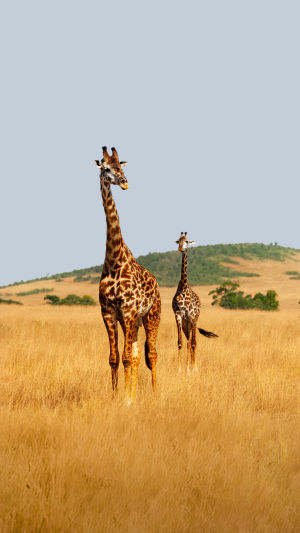
Watching a giraffe stride across the savannah is mesmerizing.
Its long neck towers above the grasses, giving it a unique vantage point that no other animal enjoys.
But have you ever wondered why giraffes evolved such extraordinary necks and how these necks shape their behavior, feeding, and survival? It's not just about reaching tall leaves—it's a story of adaptation, strategy, and evolution that continues to fascinate scientists and wildlife enthusiasts alike.
<h3>The Evolution of the Long Neck</h3>
Giraffes didn't always have towering necks. Their ancestors had shorter, more typical ungulate necks. Over millions of years, natural selection favored individuals that could reach higher branches, especially during dry seasons when lower vegetation became scarce.
<b>Step-by-step insight:</b>
Early giraffes with slightly longer necks accessed leaves others couldn't reach.
These giraffes survived better during tough seasons, reproducing more successfully.
Over generations, longer-necked giraffes became the norm, leading to the species we know today.
An actionable example for wildlife observers: When visiting reserves, notice how giraffes stretch their necks to grab acacia leaves. Their feeding pattern often shows the evolutionary advantage in action, with each neck-length variation influencing food access.
<h3>Feeding Advantages</h3>
A giraffe's neck is a natural food elevator. It allows them to reach foliage far above the ground, reducing competition with other herbivores like zebras and antelopes. But the benefits go beyond height:
<b>Key points to observe:</b>
Giraffes can graze multiple tree species without moving far.
The height allows access to tender, nutrient-rich leaves that lower herbivores can't reach.
Their long tongues—often 45 centimeters—work with the neck to pull leaves efficiently.
Actionable tip: In wildlife photography or observation, focus on how giraffes twist and angle their necks to navigate thorny branches. This behavior highlights both their agility and evolutionary innovation.
<h3>Neck and Social Behavior</h3>
Giraffe necks aren't just feeding tools; they play a key role in social interactions. Male giraffes use their necks in a behavior called “necking,” where they swing their heads to spar with rivals. The longest, strongest neck often wins, securing mating opportunities.
<b>How it shapes their lives:</b>
Necking establishes hierarchy without constant lethal fights.
Females may choose mates based on neck size and strength, influencing genetic diversity.
Even young giraffes practice gentle neck swings, learning social rules early.
Observation tip: In herds, notice which males dominate central areas. Their neck length and posture often determine social status and access to mates.
<h3>Survival Beyond Food</h3>
A long neck isn't just a feeding and social tool—it's a surveillance system. With elevated eyesight, giraffes can spot predators like lions from hundreds of meters away, giving them time to react.
<b>Practical takeaways:</b>
Neck height allows early detection of danger in open savannahs.
Giraffes can signal alarms to herd members using posture and head movements.
Juveniles learn to follow mature neck cues, enhancing group safety.
Actionable insight for wildlife enthusiasts: Watching a herd, note which giraffes scan the horizon. Their neck positioning often indicates who is alerting the group to potential threats.
<h3>Challenges of the Long Neck</h3>
Having a long neck isn't without challenges. Blood circulation requires specialized cardiovascular adaptations, and bending down to drink is risky, exposing the head to predators.
<b>Considerations:</b>
Giraffes have powerful hearts, around 11 kilograms, to pump blood up the neck.
Drinking involves a wide-legged stance to safely lower the head.
They must remain vigilant while drinking, balancing survival and necessity.
Observation tip: Next time you see a giraffe at a waterhole, notice the slow, careful movements. Their neck isn't just a tool; it's a delicate balance of biology and strategy.
Giraffes are a reminder that evolution often shapes creatures in remarkable ways. Their necks tell a story of survival, competition, and adaptability. From reaching high branches to winning social battles and spotting predators early, the long neck is a symbol of nature's ingenuity. Observing giraffes up close teaches us that even a single physical feature can define an animal's entire way of life. Next time you watch a giraffe stretch its neck, consider the millions of years of adaptation behind that graceful movement, and the delicate balance of survival it represents.


