

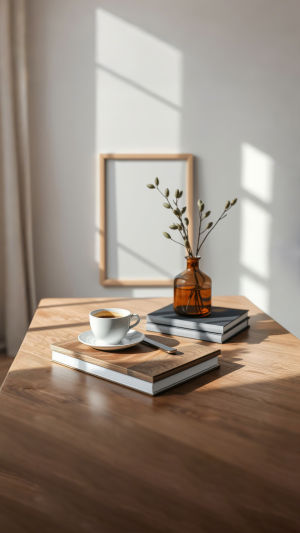
Working from home can feel both liberating and overwhelming.
One day, your kitchen table is perfect; the next, it's covered in papers and coffee cups, leaving you distracted.
A thoughtfully designed home office doesn't just look appealing—it shapes your mindset, boosts productivity, and even improves your well-being.
Focusing on a few core principles, anyone can turn a corner of their home into a functional, inspiring workspace.
<h3>Designing a Space That Works</h3>
Creating an effective home office starts with choosing the right spot. It's not always about the largest room, but about light, quiet, and accessibility. Natural light enhances mood and reduces eye strain, so consider a space near a window. If that's not possible, invest in full-spectrum lighting to mimic daylight.
<b>Practical steps:</b>
Pick a corner or spare room where you can close a door, limiting interruptions.
Ensure there's enough floor space for your desk, chair, and storage without feeling cramped.
Position your desk to face a wall or window, avoiding distracting areas like the TV.
For example, one family transformed a small guest bedroom into a cozy office, using a standing desk near the window and minimal décor to maintain focus.
<h3>Ergonomics and Comfort</h3>
A home office should support your body as much as your workflow. Ergonomics prevents fatigue and long-term discomfort, allowing you to work longer without strain.
<b>Key adjustments:</b>
Choose a chair that supports the lower back and encourages good posture.
Keep your monitor at eye level and about an arm's length away.
Consider a sit-stand desk to alternate positions, reducing stiffness and boosting energy.
Example: One worker noticed neck pain after weeks at a regular desk. After switching to a height-adjustable desk and adding a lumbar cushion, their focus and comfort improved significantly.
<h3>Organization and Storage</h3>
Clutter is productivity's worst enemy. An organized space keeps your mind clear and ensures you spend more time on work rather than searching for documents or supplies.
<b>Organization tips:</b>
Use vertical storage like shelves and wall-mounted organizers to free up floor space.
Keep a small filing system for important papers and a drawer for daily office supplies.
Limit décor to functional or inspiring items to avoid visual distractions.
A practical example: One remote worker used labeled baskets for files and notebooks, and a daily 10-minute tidy-up ritual kept the desk consistently neat, making workflow smoother.
<h3>Technology and Connectivity</h3>
Reliable technology is essential in a home office. Fast internet, quality peripherals, and backup options make remote work seamless and reduce daily frustrations.
<b>Tech must-haves:</b>
High-speed internet or a wired connection to prevent interruptions during calls.
Noise-canceling headphones for focus during video meetings or deep work.
A good quality webcam and microphone if video conferencing is frequent.
For instance, investing in a wireless keyboard and ergonomic mouse allowed one designer to work comfortably for longer stretches without wrist discomfort, improving both output and satisfaction.
<h3>Creating an Inspiring Atmosphere</h3>
Your environment influences creativity and motivation. Simple touches can transform a functional space into an inspiring one without overwhelming it.
<b>Atmosphere boosters:</b>
Add a plant or two for a natural, calming presence.
Use a color scheme that energizes or soothes, depending on your work style.
Display a few personal items or motivational prints to create a sense of ownership and enjoyment.
A real example: A writer added a small bonsai and a corkboard with inspiring quotes. The combination of greenery and visual reminders increased daily engagement and mood.
<h3>Routines and Boundaries</h3>
A successful home office isn't only about physical setup—it's also about habits. Establishing routines and boundaries signals to your brain that it's work time, improving focus and efficiency.
<b>Routine strategies:</b>
Set a consistent start and end time to define work hours.
Use a dedicated workspace, even if small, to separate professional and personal life.
Schedule short breaks to stretch, hydrate, and rest your eyes, avoiding burnout.
For example, one consultant begins work at the same desk each day at 8 a.m., takes a mid-morning break outside, and ends at 5 p.m., keeping a healthy rhythm and preserving work-life balance.
Designing a home office is about balancing functionality, comfort, and personal expression. It's not just a desk and chair—it's a mindset, a space that signals your brain to focus, create, and perform at its best. Even small changes, like adjusting lighting or decluttering your desk, can have a major impact on your daily productivity.
Investing thought and care into your home office transforms work from a routine into an enjoyable, energizing part of your day.


