

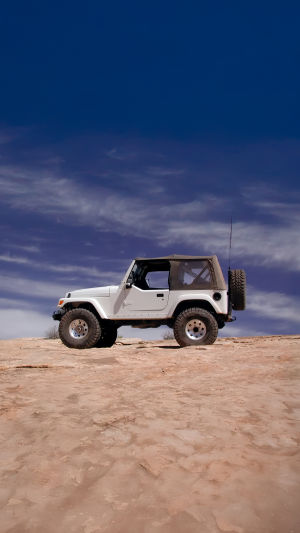
A muddy trail after a heavy rain can quickly reveal whether your off-road vehicle is ready for adventure.
Wheels spinning, slipping, and struggling to grip the uneven surface can turn excitement into frustration.
The secret to confident off-road driving often lies beneath the vehicle: the tires. Selecting the right off-road tires can dramatically improve traction, control, and safety, while ensuring your vehicle performs well in any environment.
<h3>Understanding Tire Types</h3>
<b>1.All-terrain tires</b>
All-terrain tires are designed for versatility. They balance on-road comfort with off-road capability, featuring tread patterns that handle dirt, gravel, and moderate mud. Drivers who split time between highways and trails often choose this type because it reduces the need for frequent tire changes while maintaining dependable performance.
<b>2.Mud-terrain tires</b>
Mud-terrain tires excel in soft, wet, or loose conditions. Their deep tread and wide spacing allow them to grip slippery surfaces and eject debris effectively. While they may produce more road noise and wear faster on pavement, they are indispensable for serious off-road adventures where traction is critical.
<b>3.Rock and sand setups</b>
Specialized tires exist for extreme environments like rocky trails or sandy dunes. Rock-focused tires often use reinforced sidewalls and cut- and puncture-resistant construction to handle sharp terrain. Sand driving often benefits from lower pressures and a wider footprint, but tire choice should still match your vehicle and wheel setup.
<h3>Key Tire Features</h3>
<b>1.Tread pattern</b>
Tread design affects grip, water evacuation, and self-cleaning. Aggressive, blocky patterns provide maximum traction off-road, while tighter patterns improve on-road handling. Understanding how tread interacts with different surfaces helps match tires to your driving conditions.
<b>2.Sidewall strength</b>
Off-road tires often have reinforced sidewalls to resist punctures from rocks, sticks, or sharp debris. Strong sidewalls also improve stability when navigating steep inclines or uneven trails, reducing the risk of damage during challenging drives.
<b>3.Tire compound</b>
Rubber composition affects durability and grip. Softer compounds offer better traction in mud or sand but wear faster on pavement. Harder compounds last longer on hard surfaces but may sacrifice some off-road performance. Choosing the right balance depends on how you split driving between trails and roads.
<h3>Size and Pressure Considerations</h3>
<b>1.Tire diameter and width</b>
Larger tires can improve ground clearance, helping to navigate rocks and obstacles without scraping the underside of the vehicle. Wider tires increase contact with soft surfaces like sand or snow, enhancing flotation and traction. It's important to select sizes compatible with your vehicle's suspension and wheel wells.
<b>2.Tire pressure adjustment</b>
Adjusting tire pressure is a critical tool for off-road driving. Lower pressure increases the contact patch, improving grip in sand or mud. However, too low a pressure can risk bead separation or rim damage. Drivers should carry a portable gauge and air pump to adjust pressure for changing terrain.
BFGoodrich advises: “Deflate your tyres by 5psi at a time to increase your tyre’s footprint until you reach optimal traction.”
<b>3.Compatibility with rims</b>
Ensure tires fit your vehicle's rims correctly. Mismatched tires and rims can reduce performance, increase wear, and even compromise safety. Professional advice or manufacturer specifications help avoid costly mistakes.
<h3>Maintenance and Longevity</h3>
<b>1.Regular inspection</b>
Check tires for cuts, embedded debris, or uneven wear after off-road trips. Early detection of damage prevents accidents and extends tire life. Rotating tires periodically also promotes even wear.
<b>2.Cleaning and storage</b>
Mud, sand, and chemicals can deteriorate rubber over time. Washing tires after off-road excursions and storing them in cool, shaded areas prevents premature cracking or hardening.
<b>3.Monitoring tread depth</b>
Adequate tread depth is essential for traction and safety. Replace tires when treads become too shallow for the terrain you frequent. Keeping spare tires in good condition ensures preparedness for remote adventures.
Selecting the right off-road tires is more than a purchase—it's an investment in performance, safety, and enjoyment. Each tire choice reflects the balance between terrain, driving style, and durability. When your vehicle rolls over a muddy trail or climbs rocky inclines with confidence, it's a reminder that the right tires can transform challenges into exhilarating experiences, making every adventure more memorable.


