

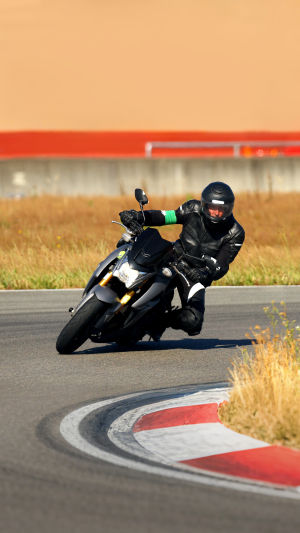
If you've ever felt the rush of air resistance pushing against you while riding your motorcycle, you know that aerodynamics play a huge role in performance.
But it's not just about speed—optimizing a motorcycle's aerodynamics can also improve fuel efficiency, stability, and overall handling.
Whether you're into racing or just want a smoother ride on the highway, aerodynamic upgrades can make a noticeable difference. Let's dive into how these modifications can transform your motorcycle and take your riding experience to the next level.
<h3>Fairings and Bodywork</h3>
The most obvious place to start when optimizing a motorcycle's aerodynamics is the fairing or bodywork. These panels help to smooth the airflow around the bike, reducing drag and increasing efficiency. High-performance motorcycles often come with aerodynamic fairings, but even for street bikes, you can swap out the stock fairings for ones designed with aerodynamics in mind.
<b>Example:</b>
Racing motorcycles, such as those used in MotoGP, feature full fairing kits that wrap around the entire bike. These kits not only reduce drag but also help to keep the bike's center of gravity low, increasing stability. On street bikes, a simple change in the shape or size of the front fender can make a big difference. Lowering the front fender and making it more aerodynamic can reduce turbulence and improve overall stability at high speeds.
<h3>Windshields and Windscreens</h3>
Windshields are a simple yet highly effective way to reduce drag and improve aerodynamics. The larger and more streamlined the windshield, the less air resistance you'll experience, making it easier to cut through the wind. Adjustable windscreens are becoming increasingly popular as they allow riders to customize their wind deflection based on conditions or speed.
<b>Example:</b>
A common mod in sport-touring bikes is upgrading to a taller, more aerodynamic windscreen. This directs the airflow around the rider's body, reducing the amount of turbulence and wind buffeting, making longer rides more comfortable. For riders who want to go even further, some manufacturers offer adjustable windscreens, allowing you to raise or lower the screen depending on your speed or preference.
<h3>Rider Position and Posture</h3>
Believe it or not, your riding posture can also affect the aerodynamics of your bike. A more tucked-in position reduces the amount of wind resistance you face while riding. This is why competitive riders are often seen hunched low to the tank, minimizing their profile to the wind. However, not every rider is comfortable in that position, especially for long-distance rides.
<b>Example:</b>
For a more aerodynamic posture, consider installing adjustable foot pegs and handlebars. These mods allow you to find a position that's both comfortable and efficient. Additionally, some aftermarket seats are designed to help you lean forward slightly without sacrificing comfort, giving you a more streamlined body posture for better performance.
<h3>Tail and Rear Modifications</h3>
While the front end of a motorcycle gets the most attention when it comes to aerodynamics, the rear end is just as important. A large, flat tail section can create significant drag, especially at high speeds. By modifying or replacing the rear bodywork, you can significantly improve airflow and reduce drag.
<b>Example:</b>
Some racers opt for “tail fairings” that streamline the rear end of their motorcycles. These sleek designs help to manage the turbulent air that forms behind the rider and bike, allowing the airflow to remain smooth and uninterrupted. In the world of custom motorcycles, riders have also been known to cut down or modify the tail section to make it more aerodynamic, often improving high-speed stability in the process.
<h3>Wheel and Tire Adjustments</h3>
The wheels and tires of a motorcycle play an important role in aerodynamics, too. Wider tires and larger wheels can create more drag due to their increased surface area. On the flip side, narrow, lightweight wheels help reduce drag and increase speed.
<b>Example:</b>
Riders in racing series like Superbike and MotoGP often opt for lightweight, magnesium alloy wheels. These wheels not only reduce weight but also improve aerodynamics by decreasing drag at high speeds. Additionally, racing tires are designed to minimize rolling resistance while providing optimal grip, which contributes to both aerodynamics and performance.
<h3>Exhaust System Modifications</h3>
The exhaust system of a motorcycle is often overlooked when it comes to aerodynamics, but its design can impact airflow and performance. Aftermarket exhausts that are smaller, more compact, and less restrictive can reduce drag while also improving engine efficiency.
<b>Example:</b>
Many sport riders choose slip-on exhausts that are not only lighter but also have a more compact design. These exhausts help to reduce the overall drag by improving the airflow around the rear of the bike. Some advanced designs even include features like integrated heat shields to further enhance aerodynamic performance by directing airflow more efficiently around the bike's exhaust components.
<h3>Testing and Tuning for Optimal Performance</h3>
Once you've made your aerodynamic upgrades, testing is key to ensure everything is working as expected. Many riders take their modified bikes to a wind tunnel for precise airflow measurements, while others prefer to test on the road or racetrack. By paying attention to factors like stability, speed, and fuel efficiency, you can fine-tune your modifications to get the most out of your bike.
<b>Example:</b>
If you're testing your modified bike on a racetrack, you'll want to keep an eye on your lap times and overall comfort at high speeds. Adjusting components like the windscreen, seat position, and fairing can significantly improve your bike's handling, especially when you're trying to achieve the highest possible speed or optimize fuel economy for long-distance rides.
<h3>The Future of Motorcycle Aerodynamics</h3>
As motorcycle technology continues to evolve, so will aerodynamic modifications. The future may bring even more advanced materials, such as carbon fiber or lightweight composites, that will further reduce drag and enhance performance. Additionally, with the growth of electric motorcycles, there will be new opportunities to experiment with aerodynamic designs tailored specifically to the unique characteristics of electric powertrains.
Aerodynamics plays a crucial role in every aspect of motorcycle performance, from reducing drag to improving fuel efficiency and speed. With a combination of bodywork modifications, strategic adjustments to riding posture, and testing, you can unlock the full potential of your motorcycle, whether you're racing or simply enjoying a smoother ride.


