

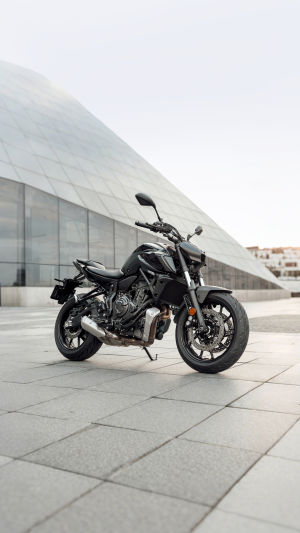
Motorcycle parts aren't just built for function anymore—they're designed for global markets.
If you've ever wondered why parts from different brands can sometimes feel similar, it's because the industry is slowly blending into a more interconnected, international ecosystem.
Whether it's the materials, manufacturing processes, or design standards, motorcycle components are evolving to meet a global demand. But what does this internationalization trend really mean for the industry and riders?
<h3>1. The Rise of Global Supply Chains</h3>
Motorcycle manufacturers used to rely on local suppliers for parts, but now we see major brands sourcing components from all over the world. This shift is largely driven by the need to cut costs, access better materials, and meet increasing demand for quality across diverse markets.
For example, a high-performance engine may be designed in one country, produced in another, and sold worldwide. This has led to standardization across the industry. The result? Whether you buy a motorcycle in North America, Europe, or Asia, the parts you receive are often similar in terms of quality and design.
<b>Actionable Tip:</b> For motorcycle enthusiasts looking to customize their rides, understanding where your bike parts come from is key. A part made in a country with strict regulations on quality control can offer better durability and safety.
<h3>2. Increased Emphasis on Quality Standards</h3>
With international markets come international quality standards. What does this mean for parts like brakes, suspension systems, and exhaust pipes? More uniformity. Manufacturers are now required to adhere to global safety and environmental standards, ensuring that parts are not only high-quality but also universally compliant.
Take the emission regulations, for instance. In many countries, stricter environmental laws require manufacturers to design parts that reduce emissions. A key example is the catalytic converter, which is now standard on motorcycles worldwide to reduce harmful emissions.
<b>Actionable Tip:</b> When upgrading your motorcycle, look for parts that meet international safety and emissions standards. This not only ensures better performance but also keeps your bike roadworthy in various countries.
<h3>3. Global Innovation and Design Integration</h3>
Gone are the days when motorcycle design was limited by regional preferences. The internationalization of motorcycle parts means that innovation and design trends can spread faster than ever. Companies now share research, collaborate with global teams, and exchange technologies. One example is the incorporation of lightweight materials like carbon fiber, which is being used in motorcycle components across the globe, making bikes faster and more fuel-efficient.
Motorcycle brands are also looking to integrate advanced technologies into their parts. Think smart features like connected navigation systems or electronic suspension adjustments, which are making their way into mainstream motorcycles from Europe to Japan.
<b>Actionable Tip:</b> If you're looking for the latest in motorcycle technology, keep an eye on international brands that focus on integrating smart features into their parts.
<h3>4. Cost Efficiency and Market Access</h3>
One of the most significant advantages of an internationalized supply chain is cost efficiency. Manufacturers can access cheaper labor markets while also benefiting from innovations created in different regions. But it's not just about cost-cutting—it's also about gaining access to new markets. When a company designs a part with global demand in mind, they can expand their market base, whether it's an OEM part for a major motorcycle brand or aftermarket accessories.
For instance, many manufacturers are now offering their motorcycle parts at competitive prices in emerging markets like Southeast Asia, while maintaining high-quality standards.
<b>Actionable Tip:</b> If you're looking for affordable yet high-quality parts, you might find that international brands offer better deals compared to local suppliers, especially when global economies of scale come into play.
<h3>5. The Future of International Motorcycle Parts</h3>
As technology advances and more countries become connected, the internationalization of motorcycle parts will continue to grow. Expect to see even more collaborations between manufacturers across continents, and a deeper integration of sustainable practices in the design of parts. This includes using recyclable materials and developing more energy-efficient engines.
Additionally, the demand for electric motorcycles will likely spur more global innovation in battery technology, charging systems, and lightweight materials.
<b>Actionable Tip:</b> Stay ahead of the curve by looking for parts that are designed with future technologies like electric vehicles and sustainability in mind.
The internationalization of motorcycle parts isn't just a trend—it's shaping the future of the entire industry. Whether it's cutting-edge design, compliance with global safety standards, or affordable pricing, this shift is changing the way manufacturers create and riders experience motorcycle parts. Keep an eye on the global stage, because what happens across the world often influences what you'll see in your local bike shop.


