

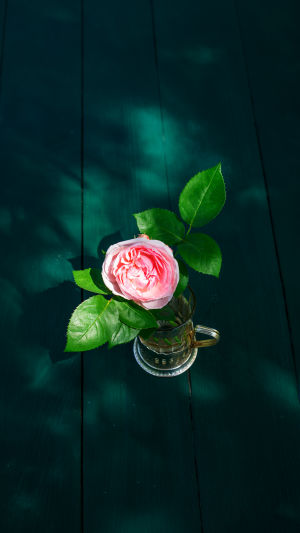
Have you ever paused to wonder why some flowers are fiery red while others glow soft purple or bright yellow?
The answer lies in pigments—molecules that absorb and reflect light, giving each flower its unique shade.
These colors aren't just for our eyes; they play a critical role in attracting pollinators and even protecting the plant from environmental stress.
<h3>The Role of Anthocyanins</h3>
Anthocyanins are one of the most common pigment types in flowers. They can produce red, blue, or purple hues depending on the pH inside plant cells. Beyond color, these pigments act as antioxidants, helping flowers cope with stress.
<b>Examples:</b>
- Petunias display vibrant purples and reds thanks to anthocyanins concentrated in their petals.
- Blueberries' rich color comes from anthocyanins that also protect the fruit from UV damage.
<b>Actionable tip:</b> For gardeners, ensuring flowers get enough sunlight can enhance anthocyanin production, making petals more vivid naturally.
<h3>Carotenoids and Yellow to Orange Tones</h3>
Carotenoids are responsible for yellow, orange, and sometimes red shades in flowers. They also assist in photosynthesis by absorbing light energy and protecting chlorophyll from damage.
<b>Examples:</b>
- Marigolds glow bright orange due to carotenoid accumulation.
- Sunflowers use carotenoids not only for color but to attract pollinators and guide them to nectar.
<b>Actionable tip:</b> Adding organic matter rich in nutrients, like compost, can boost carotenoid formation and make yellow or orange flowers more intense.
<h3>Chlorophyll's Hidden Influence</h3>
Though chlorophyll is mainly known for giving leaves their green color, it can appear in flowers too. It often contributes to greenish hues or patterns, balancing brighter pigments.
<b>Examples:</b>
- Some orchids have subtle green tones mixed with purple spots due to chlorophyll presence.
- Green hellebores use chlorophyll in petals to blend into foliage and protect reproductive structures from excessive sunlight.
<b>Actionable tip:</b> Avoid over-pruning flowers with green-tinted petals; keeping some foliage around can help maintain healthy pigment balance.
<h3>Flavonoids and Co-Pigmentation</h3>
Flavonoids work alongside other pigments to create more complex colors through a process called co-pigmentation. This can intensify blue or purple shades and create subtle gradients on petals.
<b>Examples:</b>
- Hydrangeas change color based on aluminum availability and flavonoid interaction, producing blues or pinks.
- Petals of pansies often display veining patterns from flavonoid accumulation, guiding pollinators.
<b>Actionable tip:</b> Test soil pH and nutrient levels if you grow color-sensitive flowers like hydrangeas. Adjusting pH can shift their pigment expression naturally.
<h3>Environmental Effects on Pigment Production</h3>
Temperature, sunlight, and water all influence how pigments form and how intense flower colors appear. Stress conditions like drought can increase anthocyanin production, making colors deeper.
<b>Examples:</b>
- Cooler temperatures often intensify red and purple hues in chrysanthemums.
- Petals exposed to full sunlight may display brighter carotenoid-based yellows than shaded flowers.
<b>Actionable tip:</b> Monitor sunlight exposure for your flowering plants. Strategic positioning can enhance pigment development and create more striking floral displays.
Flower colors are a delicate combination of chemistry and environment. By understanding the pigments behind the shades, you not only appreciate their beauty more deeply but can also support healthier, more vibrant flowers in your garden. Paying attention to light, nutrients, and soil conditions lets each bloom reveal its natural brilliance, turning every garden into a living palette.


