

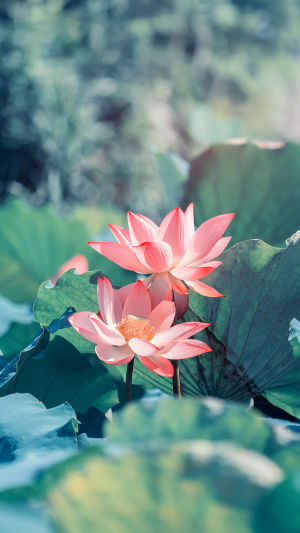
Few plants are as striking and serene as the lotus flower blooming above water.
With their bold leaves and vibrant petals, lotus flowers bring a quiet elegance to patios, decks, or small water gardens.
However, they also have specific needs—soil, sunlight, water management, and nutrients—that differ from ordinary garden plants. This guide synthesizes reliable horticultural advice so you can confidently grow and care for lotus flowers at home.
<h3>Choose the Right Container and Soil</h3>
Selecting an appropriate container and soil is the first critical step:
• Lotus thrive in wide, shallow containers without drainage holes; this allows soil to remain submerged and roots to develop securely.
• Use a heavy clay loam or dense garden soil rather than standard potting mix; lighter soils tend to float and cloud the water.
• A container at least 2–3 feet wide gives space for extensive root and rhizome growth.
• Place 4–6 inches of soil in the bottom before planting tubers.
This setup mimics a shallow pond bed and provides stability for the plant as it expands.
<h3>Planting Lotus Tubers</h3>
Planting lotus properly ensures vigorous early growth:
• Gently lay the lotus tuber horizontally on the soil surface, keeping the growing tips pointing upward.
• Cover the soil lightly so the tips remain just above the soil—burying them too deeply can stunt sprouting.
• Once placed, gradually add water until the soil is submerged by about 4–10 inches.
• As the plant establishes leaves and roots, you can increase water depth to 12–18 inches for larger varieties.
Patience during this phase helps prevent damage to delicate growing points.
<h3>Sunlight and Temperature Requirements</h3>
Lotus flowers are sun lovers:
• Provide at least 6–8 hours of direct sunlight daily to promote strong foliage and blooming.
• In very hot climates, some afternoon shade can prevent leaf scorching.
• Lotus prefer warm conditions; daytime temperatures consistently above 70–75°F support healthy growth.
• In cooler environments, consider temporary shade or positioning containers where daily sun exposure is maximized.
Adequate sunlight also encourages plants to develop sturdy stems and abundant flowers.
<h3>Water and Fertilizer Management</h3>
Since lotus are aquatic plants, water and nutrients must be managed carefully:
Water Levels:
• Keep water constantly above the soil line; at least 2–4 inches for young plants, increasing to 12–18 inches as they mature.
• Avoid letting water drop, especially during hot spells, to prevent stress.
Fertilization:
• Use aquatic plant fertilizer tablets once the first floating leaves appear.
• Place tablets close to but not directly on growing tips.
• Fertilize every 6–8 weeks during active growth to support vibrant blooms.
Consistent water and periodic nutrients help lotus convert sunlight into robust leaf and flower production.
<h3>Routine Care and Maintenance</h3>
Ongoing attention keeps lotus plants thriving:
• Remove yellowing or decaying leaves promptly to direct energy toward healthy growth and prevent rot.
• Check water clarity and quality; change water periodically to reduce algae buildup if using a container.
• Protect plants from pests—lotus are generally resistant, but occasional aphids or snails may be present.
• In colder climates, allow hardy varieties to remain submerged deeper or move container indoors during frost.
Routine maintenance ensures lotus return year after year with vibrant displays.
<h3>Conclusion</h3>
Growing lotus flowers at home is a rewarding journey of observation and care. From selecting the right soil and container to balancing water depth and sunlight, each step contributes to a thriving aquatic garden. As blooms rise above the rippling water, you'll not only enjoy their beauty but also the satisfaction that comes from mastering a plant with both grace and presence.


