

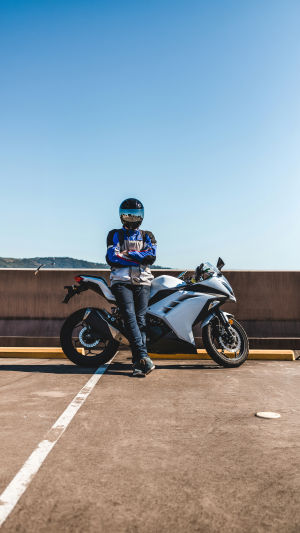
You glance at the riders on the street: one in a sleek leather suit hugging every curve of their bike, another in a loose jacket with vents flapping in the breeze, and a commuter in a casual jacket navigating traffic.
Each rider's gear suits a purpose. Picking the right clothing for your type of riding isn't just about style—it's about comfort, safety, and performance tailored to your journey.
<h3>Racing and Sport Riding</h3>
High-speed riding demands gear that protects the rider and allows full range of motion. Sport riders lean into curves, brake sharply, and need gear that follows every motion without holding them back.
<b>1. Full leather suits:</b> Racing jackets and pants are often made of premium leather with stretch panels at shoulders, elbows, and knees. This allows flexibility while providing maximum abrasion resistance during slides. For example, a rider practicing on a track may choose a one-piece leather suit with reinforced knee sliders to protect against scrapes when leaning into turns.
<b>2. Integrated padding:</b> Shoulder, elbow, hip, and back padding should fit snugly over your joints. Misaligned padding reduces effectiveness. Adjustable inserts or removable panels help ensure a perfect fit for precise movements needed in racing.
<b>3. Ventilation and mobility:</b> Even racing gear prioritizes airflow. Perforated panels, stretch zones, and strategically placed vents reduce overheating without sacrificing protection. Always test the suit on a practice lap to ensure unrestricted movement and proper ventilation.
<h3>Long-Distance and Touring Riders</h3>
Touring riders spend hours on the road. Comfort and protection against the elements take priority over extreme flexibility.
<b>1. Layered jackets:</b> Touring jackets often include removable thermal liners and waterproof layers. A rider on a cross-country trip can zip out insulation in warm weather or add it during cooler nights, maintaining comfort across changing climates.
<b>2. Relaxed fit with protective padding:</b> Jackets and pants should allow for extended wear without restriction. Protective padding at shoulders, elbows, knees, and back should sit securely but not pinch. Pants with stretch panels at the knees improve comfort during long seated periods.
<b>3. Storage and convenience:</b> Multiple pockets for maps, phones, and snacks reduce the need to stop frequently. This ensures essentials are carried safely while keeping hands free.
Long-distance gear balances safety with comfort, helping riders stay alert and fatigue-free over extended journeys.
<h3>City and Commuter Riding</h3>
Urban riders face stop-and-go traffic, unpredictable drivers, and varying weather. Gear should be practical, lightweight, and visible.
<b>1. Lightweight jackets:</b> Textile jackets with ventilation panels and adjustable straps allow quick movements in traffic while maintaining basic protection. A commuter navigating rush-hour streets benefits from a jacket that bends naturally at elbows and shoulders.
<b>2. Visibility enhancements:</b> Bright colors and reflective panels make riders noticeable to other drivers. For evening commutes, neon accents or reflective strips improve safety.
<b>3. Practical pants and gloves:</b> Flexible pants with removable padding at knees and hips protect while staying comfortable. Gloves should allow easy braking and shifting without excess bulk. Short city rides demand quick mobility more than full coverage.
City gear prioritizes maneuverability and awareness, helping riders respond to unpredictable traffic conditions.
<h3>Material Selection and Maintenance</h3>
Choosing the right material ensures durability, protection, and comfort across riding styles.
<b>1. Leather vs. textile:</b> Leather offers abrasion resistance and durability, ideal for high-speed or long-term protection. Textile gear is lighter, breathable, and often waterproof—better for urban and touring riders in variable weather.
<b>2. Padding and inserts:</b> Check that padding aligns with joints and remains secure during movement. Adjustable or removable panels allow you to adapt the gear to riding type and personal comfort.
<b>3. Care and inspection:</b> Regular cleaning, conditioning (for leather), and checking seams, zippers, and padding maintains protective properties. A rider noticing frayed seams or shifted padding should repair or replace the gear before the next ride.
<h3>Testing Fit and Function</h3>
Proper fit is critical regardless of riding type.
<b>1. Simulate riding positions:</b> Sit, twist, and bend in your gear to ensure full mobility. Racing gear should flex at every joint, touring gear should allow long-term comfort, and city gear should let you maneuver quickly in traffic.
<b>2. Short trial rides:</b> Test gear on brief rides to identify pressure points, ventilation issues, or misaligned padding. Adjust straps or try a different size before committing to long trips.
<b>3. Adjust layers:</b> For variable climates or different speeds, experiment with base layers, thermal liners, or removable padding to maintain comfort and protection.
Matching motorcycle clothing to your riding style isn't about fashion—it's about maximizing safety, mobility, and enjoyment. When your gear moves with you, protects where it matters, and suits your journey, every ride becomes more confident, controlled, and enjoyable. Always prioritize proper fit, appropriate materials, and regular maintenance to ensure your safety on the road.


