

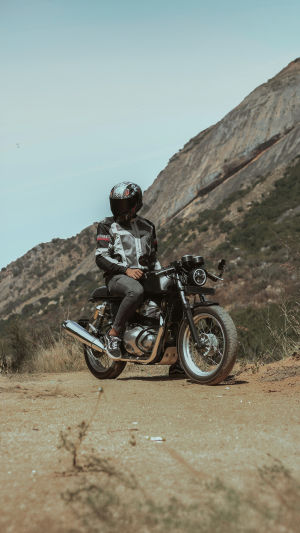
Walking past a group of riders, you notice some wearing bulky jackets that look stiff and others in sleek vests that barely cover them.
Both styles serve a purpose, but choosing the right protective gear is more than a fashion choice—it's about how your clothing moves with your body, cushions impacts, and keeps you comfortable on the road.
Understanding the difference between a protective jacket and a motorcycle vest can make all the difference in safety and ride quality.
<h3>Why Protective Jackets Matter</h3>
A full protective jacket is your first line of defense against impacts, abrasion, and weather. Unlike vests, jackets provide coverage for shoulders, elbows, and torso, often with built-in padding.
<b>1. Coverage and fit:</b> Jackets should cover your torso completely and extend slightly past your waist. Sleeves should end at your wrist when arms are slightly bent. Adjustable straps or stretch panels help the jacket move with your body.
<b>2. Material choice:</b> Leather is classic for abrasion resistance, while high-quality textile jackets offer lighter weight and breathability. Some models feature mesh panels for airflow, making long rides more comfortable.
<b>3. Protective padding placement:</b> Shoulder, elbow, and back padding should align with your joints. Move your arms in the store or at home; padding that shifts won't provide proper protection during a slide or fall.
For example, a rider leaning forward for long-distance touring might choose a textile jacket with stretch panels in the shoulders and elbows, ensuring mobility while keeping the padding in place.
<h3>When a Motorcycle Vest Works Better</h3>
Vests are lighter, less restrictive, and ideal for short rides or warmer weather. They typically cover the chest and back but leave arms free.
<b>1. Layering potential:</b> Vests work well over a base layer or thin jacket. Riders can add or remove layers depending on temperature. For instance, a city commuter might wear a vest over a breathable shirt for flexibility without overheating.
<b>2. Padding options:</b> Many vests include removable chest and back padding. Check that the padding sits snugly against your body and doesn’t shift when you move. Properly placed padding reduces injury risk in minor crashes.
<b>3. Visibility and style:</b> Vests often come in brighter colors or with reflective panels. A fluorescent vest can improve visibility for evening rides without adding bulk.
<h3>Matching Gear to Your Riding Style</h3>
Not every rider needs the same combination of jackets and vests. Your style of riding should influence your choice.
<b>1. Commuters:</b> Riders navigating city traffic may favor lighter jackets or vests with ventilation and flexibility. Short stops and frequent movements make padded jackets cumbersome, while a vest offers freedom and safety.
<b>2. Long-distance riders:</b> Touring or adventure riders benefit from full jackets with reinforced padding, weatherproofing, and multiple pockets. A vest alone won’t provide sufficient coverage for long rides or high-speed conditions.
<b>3. Sport riders:</b> Those leaning into curves or aggressive riding need snug-fitting jackets with articulated joints. Stretch panels allow for movement, and well-placed padding protects shoulders, elbows, and spine during high-speed maneuvers.
<h3>Material and Maintenance Tips</h3>
Protective gear only works if it's maintained properly. The right materials can extend the lifespan of jackets and vests while keeping you safe.
<b>1. Cleaning:</b> Textile jackets can usually be machine-washed on gentle cycles, while leather should be wiped and conditioned. Check removable padding first—never machine-wash padding unless the manufacturer allows it.
<b>2. Weather protection:</b> Many jackets have waterproof liners or coatings. Vests usually lack full coverage, so pair with rain gear when needed. Keeping your gear dry ensures it maintains abrasion resistance and structural integrity.
<b>3. Inspection:</b> Regularly check padding, seams, and zippers. Replace any component that shows wear to ensure maximum protection. A small tear or misaligned padding can compromise safety during a crash.
<h3>Testing Fit Before the Ride</h3>
Even the best gear is useless if it doesn't fit. Take time to test jackets and vests in realistic positions.
<b>1. Sit and reach:</b> Mimic your riding posture. Arms should bend naturally without sleeves pulling, and back padding should stay in place.
<b>2. Walk and twist:</b> Move around in the gear. If anything feels tight, rubs, or shifts, adjust straps or try a different size.
<b>3. Short ride trial:</b> Before hitting the highway, wear your gear on a brief ride. Check for pressure points, ventilation, and flexibility to ensure comfort and protection for longer trips.
Choosing between a protective jacket and a motorcycle vest isn't about one being better than the other—it's about what suits your body, style, and ride. Properly fitted gear ensures protective padding stays in place, ventilation works effectively, and you remain comfortable from start to finish. When your gear fits like it was made for you, riding becomes safer, more enjoyable, and worry-free.


