

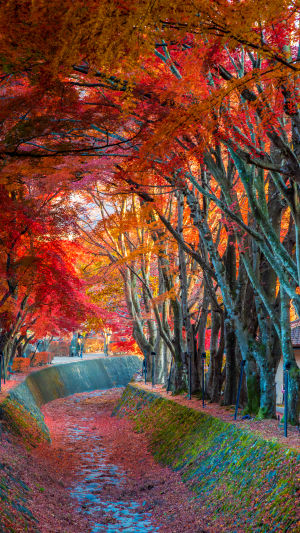
Mount Fuji rises to 3,776 meters, making it the tallest mountain in Japan. Its nearly perfect cone has inspired artists, writers, and travelers for centuries.
Visiting Mount Fuji offers more than just a climb—it's an opportunity to witness breathtaking scenery, experience local culture, and challenge yourself physically and mentally. Proper planning ensures a safe and memorable experience, whether you aim for the summit or simply enjoy surrounding landscapes.
Mount Fuji
<h3>Best Time to Visit</h3>
The official climbing season is early July to early September, when trails are clear, mountain huts are open, and weather conditions are relatively stable. Outside this period, snow and strong winds make climbing dangerous. Many hikers begin night climbs to reach the summit in time for sunrise, enjoying the unforgettable view above a sea of clouds.
<h3>How to Get There</h3>
Mount Fuji is approximately 100 km southwest of Tokyo. Travelers have multiple options:
<b>1. Train:</b> JR Chuo Line from Tokyo to Kawaguchiko Station or Fujisan Station. Transfers may be required.
Price: about $25–30 one way, depending on the train type.
<b>2. Bus:</b> Direct highway buses run from Shinjuku Station to the Fuji Five Lakes region or to 5th Station parking areas.
Price: about $13–15 one way; usually the cheapest option.
<b>3. Car:</b> Renting a car takes 1.5–2.5 hours via expressways. Parking is limited near 5th Stations during peak season.
Cost: around $10–20 for tolls one way, plus $50–100 per day for car rental.
<h3>Climbing Trails</h3>
Mount Fuji has four main trails, all starting from a 5th Station. The route choice depends on experience and timing:
<b>1. Yoshida Trail:</b> Most popular, with mountain huts and facilities, ideal for sunrise climbers.
<b>2. Fujinomiya Trail:</b> Shortest but steepest, requiring good fitness.
<b>3. Subashiri Trail:</b> Less crowded, merges with Yoshida Trail at higher altitudes.
<b>4. Gotemba Trail:</b> Longest and least developed, recommended for experienced hikers.
<h3>Mountain Huts and Accommodation</h3>
Mountain huts along the trails provide shelter, food, and rest stops. Staying overnight helps with altitude adjustment. Prices range from USD 40–70 per night depending on the hut. Booking in advance is highly recommended during peak season.
<h3>Dining Suggestions</h3>
After a long day of climbing or exploring Mount Fuji, enjoying a good meal around the Fuji Five Lakes area is a must. Near Kawaguchiko Station, you’ll find excellent options ranging from traditional Japanese cuisine to modern plant-based dishes.
<b>🍤 Fuji Tempura IDATEN Kawaguchiko</b>
A top choice for crispy, freshly prepared tempura just steps from the station.
Price range: about $7–20 per meal depending on dishes.
<b>🍜 KAKASHIYA</b>
A great place to try chicken-based hoto noodles, a regional Yamanashi specialty with thick noodles and rich broth.
Price range: about $7–15 per meal
<b>🌱 PLANT NATION - vegan kitchen -</b>
Ideal for lighter or plant-based meals in a relaxed atmosphere.
Price range: about $7–15 per person
<h3>Entry Fees</h3>
A mandatory mountain entry fee is USD 26 (approx. 4,000 yen), which supports trail maintenance and safety. Some trails may require reservations during busy periods.
<h3>Practical Tips</h3>
<b>1. Gear:</b> Sturdy hiking boots, layered clothing, waterproof jacket, gloves, headlamp, water (minimum 2 liters), and high-energy snacks.
<b>2. Timing:</b> Weekdays are less crowded; avoid peak holiday periods like mid-August.
<b>3. Safety:</b> Check weather forecasts before departure. Thunderstorms often occur in summer afternoons.
<h3>Exploring the Surroundings</h3>
Even if climbing is not your goal, the Fuji Five Lakes region offers scenic views, boat cruises, hiking trails, and hot springs. Lakes like Kawaguchiko and Saiko reflect Mount Fuji's cone perfectly, offering excellent photography opportunities.
<h3>The Experience of Mount Fuji</h3>
Mount Fuji is more than a mountain; it's a symbol of challenge, beauty, and resilience. Reaching the summit teaches patience, preparation, and respect for nature. Even lakeside views remind travelers that remarkable experiences come from curiosity, careful planning, and embracing both effort and wonder.


