

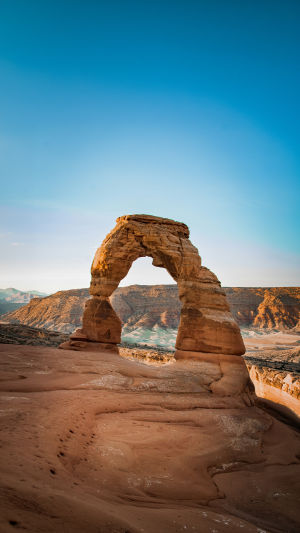
If we want to visit Arches National Park in eastern Utah like real travel pros, it’s not enough to just know that the scenery is stunning — we need all the practical details too.
Here’s everything we should know before we go: ticket prices, opening hours, transportation, accommodation options, dining costs, and tips that help make the trip smooth and memorable.
<h3>Park Location & Opening Hours</h3>
Arches National Park is located about 5 miles (8 km) north of Moab, along U.S. Highway 191. The park itself is open 24 hours a day, 365 days a year, so we can explore early in the morning or stay out late to enjoy sunset and starry skies. However, the Visitor Center has more limited hours: usually around 7:30 AM to 6:00 PM in spring and summer, with shorter hours in late fall and winter, and closed on December 25th.
Arches National Park
<h3>Entrance Fees & Pass Options</h3>
We should plan our budget around these entrance fees:
- Private Vehicle: ~$30 per vehicle for 7 days (covers all passengers).
- Motorcycle: ~$25 per motorcycle for 7 days.
- Walk‑in / Cyclist: ~$15 per person for 7 days.
- Children 15 and under: Free entry.
If we plan to visit more parks, a multi‑park Southeast Utah Pass (~$55) or the America the Beautiful annual pass (~$80) can save money by covering multiple parks and monuments.
Timed entry reservations were once required during peak periods (April through October), but the requirement has been paused for 2026 — we just need to pay the entrance fee and arrive early enough to beat crowds and parking limits. Arriving before 7:00 AM or after 4:00 PM still helps avoid heavy traffic in popular seasons.
<h3>Best Time to Visit & Weather Tips</h3>
We get the best combination of weather and crowd levels if we aim for:
- Spring (March–May): Mild days, cool nights, and blooming desert landscapes.
- Fall (September–October): Cooler temperatures and golden light for photos.
- Summer (June–August): It can be extremely hot, often above 90°F (32°C), while winter is quieter and cooler. Early morning or late afternoon are the best times to hike — this avoids heat and gives us beautiful, softer light for photos.
<h3>Transportation & Getting Around</h3>
Since there’s no public transit to the park, driving is essential. Whether we rent a car or drive our own, here’s what to expect:
- Fill up with fuel in Moab before entering — there are no gas stations inside the park.
- Arrive early (e.g., around sunrise) to secure parking near main trailheads like Delicate Arch, Devils Garden, and Landscape Arch.
- Traffic can get busy in peak seasons, so allow extra travel time and don’t expect quick stops everywhere.
<h3>Where to Stay — Accommodation Options & Prices</h3>
The park itself has only basic campgrounds (about $25 per night for regular sites), so most visitors stay in Moab, just 5–10 minutes away.
<b>Budget & Mid‑Range Hotels:</b>
- Many motel-style inns and lodges near downtown Moab, with prices starting around $60–$90 per night for basic rooms.
- Mid-range hotels often range from $100 to $250 per night, especially during spring and fall peaks.
<b>Comfortable & Upscale Options:</b>
- Larger hotels or resorts can cost $250–$350+ per night depending on demand.
<b>Planning Tips:</b>
- Book 2–3 months in advance for spring and fall seasons — these sell out fast.
- Visiting during late fall or winter can bring lower prices and more availability.
<h3>Dining & Meal Price Guide in Moab</h3>
Moab isn’t a big city, so dining can vary from affordable bites to pricier restaurant meals. Here’s what we can expect:
<b>Typical Eating Out Costs:</b>
- Breakfast: ~$6–$19 per person
- Lunch: ~$10–$26 per person
- Dinner: ~$19–$45 per person
- Coffee or snacks: ~$5 or more
For budget-friendly options, casual taco shops, cafes, or food trucks provide hearty meals at lower prices than sit-down restaurants.
<h3>Camping & Park Fees</h3>
If we choose to camp inside Arches National Park at Devils Garden Campground, campsites are around $25 per night, a great way to stay right within the desert landscape. Group sites are available at higher rates depending on size, but book early as they fill quickly.
<h3>Must-See Spots & Hiking Highlights</h3>
Once we’re ready to explore, here are the top places to plan into our daily itinerary:
- Delicate Arch: The park’s most iconic arch — best seen at sunrise or sunset.
- Landscape Arch: One of the longest natural stone arches on Earth.
- Double Arch: Dramatic twin arches that are easy to reach.
- Balanced Rock: A massive boulder perched on a narrow base.
- Devils Garden Trails: A network of routes with multiple points of interest.
These are connected by the park’s scenic drive, so we can plan to stop at several in one day if we start early and bring plenty of water and snacks.
<h3>Practical Tips for a Smooth Trip</h3>
- Hydration is key: Bring at least 1 gallon (about 4 L) of water per person per day.
- Sun protection: Hat, sunscreen, and sunglasses are essential.
- Layered clothing: Temperatures can change quickly from morning to evening.
- Parking fills up early: Arrive before sunrise if possible.
- Respect nature: Stay on marked trails and avoid climbing fragile rock surfaces.
<h3>Ready for an Unforgettable Adventure?</h3>
Arches National Park is truly one of the most magical destinations in the USA. By knowing ticket costs, travel options, where to stay, and meal pricing, we can enjoy the trip without surprises. Let’s hydrate, plan carefully, and take the time to soak in the endless desert landscapes. With a little preparation, this adventure will be unforgettable!
Arches National Park Vacation Travel Guide | Expedia
Video by Expedia


