

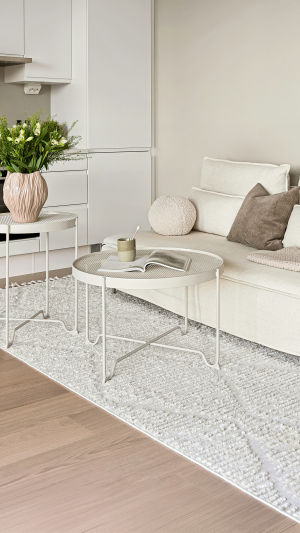
Ever walk into a small apartment and feel like there's barely room to move? Tiny living spaces can feel limiting, but with the right strategies, they can be surprisingly functional and stylish.
Maximizing every square foot is all about combining practicality with creativity.
<h3>1. Multi-Functional Furniture</h3>
When space is tight, furniture that serves more than one purpose is a lifesaver. Consider beds with storage drawers underneath, coffee tables that double as desks, or fold-out dining tables. For example, a daybed in a living area can function as seating during the day and a guest bed at night. By choosing pieces that serve multiple functions, you eliminate clutter and free up floor space.
<h3>2. Vertical Storage Solutions</h3>
Small spaces don't just have limited floor area—they often have unused vertical space. Installing shelves that reach the ceiling, hanging organizers, and tall cabinets can significantly increase storage without crowding the room. Hooks or pegboards on walls keep everyday items accessible while freeing up counters and tabletops. Even staircases can be transformed with built-in shelves or drawers for extra storage.
<h3>3. Strategic Use of Light and Mirrors</h3>
Light plays a huge role in making a space feel bigger. Large windows, bright colors, and reflective surfaces help open up a room visually. Mirrors, in particular, can double the perceived space. Placing a mirror opposite a window reflects natural light, instantly making the room feel brighter and more expansive. Soft, layered lighting—like wall sconces and under-shelf lights—also reduces shadows that can make rooms feel cramped.
<h3>4. Decluttering and Minimalism</h3>
One of the easiest ways to maximize a small space is to own fewer items. Every object should have a purpose or a home. Consider donating or storing items you rarely use. Open floor space makes a room feel larger and more breathable. Minimalist décor doesn't mean bland—it prioritizes function and reduces visual clutter. A few well-chosen decorative items can add personality without overwhelming the space.
<h3>5. Clever Zoning</h3>
Even in a studio or small apartment, defining zones for different activities can make the space feel larger and more organized. Use rugs, furniture placement, or room dividers to separate areas for sleeping, working, and relaxing. For example, a slim bookshelf can act as a divider between a living area and a small home office while providing storage. Zoning gives each activity its own dedicated area, reducing the feeling of chaos in a compact space.
<h3>6. Foldable and Mobile Solutions</h3>
Compact homes benefit from items that can move or fold away when not in use. Folding chairs, collapsible desks, and rolling carts allow you to adapt the space as needed. A mobile kitchen island can be pushed aside when more room is needed, and a foldable dining table can expand for meals and retract when not in use. Flexibility is key in small living spaces.
<h3>7. Thoughtful Color Choices</h3>
Colors have a psychological impact on space. Lighter shades like soft whites, pastels, and neutral tones reflect more light and make a room feel larger. Dark colors can work too but should be balanced with lighter accents to prevent a heavy, closed-in feeling. Consistent color palettes across walls, furniture, and accessories create visual harmony, making a compact space appear cohesive and spacious.
Maximizing a small living space isn't about cramming more furniture in; it's about thoughtful planning, multi-functional solutions, and clever design tricks. With the right approach, even a tiny apartment can feel open, comfortable, and stylish. Every corner can serve a purpose, and every piece of furniture can contribute to a sense of spaciousness. Embrace the challenge, and you'll find that living small can be liberating, efficient, and surprisingly cozy.


