

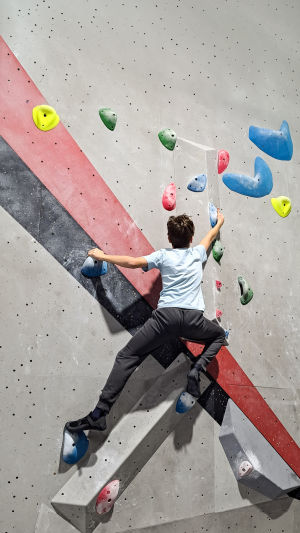
Have you ever been halfway up a climbing wall, only to feel your fingers start slipping? That moment when your hands just can't hold on is every climber's nightmare.
The truth is, grip strength can make or break your climb, but the good news is it's something you can train—no fancy equipment required.
Here's how to build rock-solid hands that keep you hanging longer and climbing smarter.
<h3>Understand Your Grip Types</h3>
Not all grips are created equal, and knowing which type you need to strengthen is crucial. There are three main grips climbers rely on:
1. Crimp Grip – Fingers bent at the first joint, thumb pressing over the index finger. This is common on small edges.
2. Open-Hand Grip – Fingers stretched over a hold without bending the first joint. Safer for your tendons and better for long climbs.
3. Pinch Grip – Thumb opposes the fingers to hold onto a blocky or protruding hold.
Recognizing which grip is challenging for you helps target exercises effectively. Many climbers neglect the pinch grip, but it's essential for overhangs and tricky routes.
<h3>Dead Hangs: The Classic Grip Builder</h3>
Dead hangs are simple but highly effective. All you need is a pull-up bar or climbing hangboard.
1. Grab the bar or hold with the grip you want to train.
2. Keep your arms straight, shoulders engaged, and core tight.
3. Hang for 10–30 seconds, rest, then repeat 3–5 times.
Focus on slow, controlled hangs rather than rushing. For extra challenge, try one-arm hangs or adding a weight belt once your hands adapt. Dead hangs strengthen tendons, forearms, and finger joints, building a foundation for nearly every climbing move.
<h3>Finger Rolls and Forearm Curls</h3>
Grip strength isn't just about fingers—it starts in your forearms. Finger rolls and wrist curls are excellent for building endurance.
1. Use a light dumbbell or a barbell.
2. Roll the weight down to your fingertips, then curl it back into your palm.
3. Perform 3 sets of 12–15 reps.
For variety, try reverse curls, lifting the weight with the back of your hands facing up. This strengthens antagonistic muscles, reducing injury risk and improving overall grip balance.
<h3>Pinch Blocks and Rice Buckets</h3>
These exercises train the pinch grip and fine motor control.
1. Pinch Blocks – Squeeze wooden blocks or weighted pinch grips for 20–30 seconds per set. Gradually increase weight over time.
2. Rice Bucket Training – Plunge your hand into a bucket of rice, open and close your fingers, twist, and grip. Do this for 2–3 minutes per session.
These methods may seem simple, but they dramatically improve finger endurance and prevent hand fatigue during long climbs.
<h3>Grip Tools: Balls and Bands</h3>
Squeeze balls, stress balls, or resistance bands add variety and portability.
1. Squeeze the ball in different hand positions—fingers straight, fingers curled, thumb pressing.
2. Use resistance bands for finger extensions, the often-forgotten opposite movement that balances finger strength.
Consistency matters. A few minutes daily, even outside the gym, keeps your hands strong and responsive.
<h3>Practical Tips for Grip Training</h3>
- Warm up before every session. Light stretches and finger rotations reduce injury risk.
- Avoid overtraining. Fingers and tendons need recovery—train 3–4 times per week max.
- Track your progress. Note how long you can hang or how many reps you can do. Gradual improvement is more important than pushing to failure.
- Mix grips. Rotate between crimp, open-hand, and pinch to build balanced strength.
<h3>Bring It to the Wall</h3>
Nothing replaces actual climbing, so take your grip strength gains and apply them. Focus on controlled movements and mindful gripping. Notice if you can hold onto smaller holds longer or recover faster on overhangs.
Developing strong hands is a journey. Each hang, curl, and squeeze builds confidence, endurance, and resilience. The next time your fingers start to slip mid-climb, you'll have the strength to keep moving upward rather than letting go. Grip training isn't just about power—it's about freedom and control on every route.


