

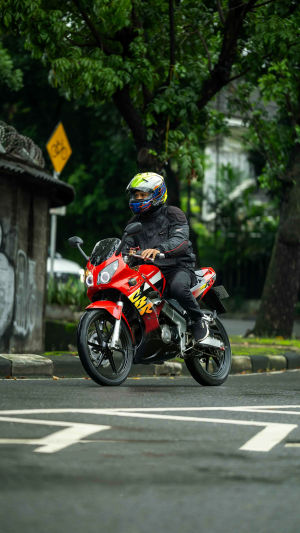
You pull onto a busy city street, with traffic lights shifting every few seconds, cars weaving around, and pedestrians stepping out unpredictably.
Urban riding can feel like a constant game of reflexes.
But smart traffic systems are changing the way riders navigate, offering tools that help reduce risks and make city streets safer for everyone.
<h3>Real-Time Traffic Monitoring</h3>
Modern cities use sensors, cameras, and GPS data to track traffic flow in real time. This information can alert motorcyclists to congestion, accidents, or sudden slowdowns, helping them adjust their speed and route before problems occur.
<b>Practical tips:</b>
- Use apps that provide live traffic updates and suggest alternate routes.
- Pay attention to digital signs indicating congestion or hazards ahead.
- Adjust speed early when approaching high-traffic intersections.
For example, a rider commuting during peak hours relied on a traffic app linked to smart sensors. It redirected them around a stalled truck, avoiding a sudden bottleneck and reducing the risk of abrupt braking.
<h3>Adaptive Traffic Signals</h3>
Intelligent traffic lights respond to current traffic conditions rather than fixed timing. This means smoother flows and fewer stop-and-go situations that can catch riders off guard.
<b>Ways to benefit:</b>
- Approach intersections at moderate speeds to match light patterns.
- Observe “green wave” signals that optimize speed for continuous movement.
- Avoid unnecessary acceleration and braking by timing your approach.
A motorcyclist on a downtown route noticed adaptive lights allowed them to ride through several intersections without stopping, reducing sudden lane changes and improving stability.
<h3>Collision Warning Systems</h3>
Some urban smart systems include vehicle-to-infrastructure (V2I) communication. Motorcycles can receive alerts about nearby vehicles making sudden maneuvers or potential collisions at intersections.
<b>How to use it:</b>
- Install compatible devices or apps that connect to city V2I networks.
- Pay attention to alerts about nearby cars' speed changes or lane shifts.
- Use early warnings to adjust position, reduce speed, or change lanes safely.
One rider reported that a V2I alert helped them notice a delivery van running a red light from a side street, allowing them to slow down and avoid a dangerous situation.
<h3>Smart Lane Management</h3>
Urban systems also optimize lane usage. Dynamic lane indicators and digital signage can guide riders to safer paths, reduce conflicts with larger vehicles, and manage congestion effectively.
<b>Implementation strategies:</b>
- Follow digital lane signs showing recommended routes for motorcycles.
- Stay in lanes designed for mixed traffic to reduce close passes by cars.
- Adjust lane position according to changing road markings during peak hours.
For instance, a commuter using lanes designated for motorcycles found fewer sudden cuts from cars, making the ride smoother and reducing stress in high-density areas.
<h3>Data-Driven Urban Planning</h3>
Over time, intelligent traffic systems collect data to identify accident hotspots or risky intersections. City planners can then adjust signal timing, add motorcycle-specific lanes, or implement speed management strategies to improve safety.
<b>Actionable steps:</b>
- Participate in apps or programs that collect ride data to support safety improvements.
- Observe changes in infrastructure like new lane markings or signal patterns.
- Adapt riding habits to match newly implemented safety features.
A daily rider noticed that after data-driven updates, a previously dangerous intersection added a dedicated motorcycle lane and adjusted signal timing, reducing near-misses and improving commute confidence.
Smart traffic systems are transforming city riding from a reactive struggle into a more controlled, predictable experience. By integrating real-time monitoring, adaptive signals, collision alerts, and data-driven design, urban streets become safer for motorcyclists. Staying informed, using technology, and adapting to smart infrastructure not only reduces risk but also makes the ride smoother, less stressful, and more enjoyable.


