

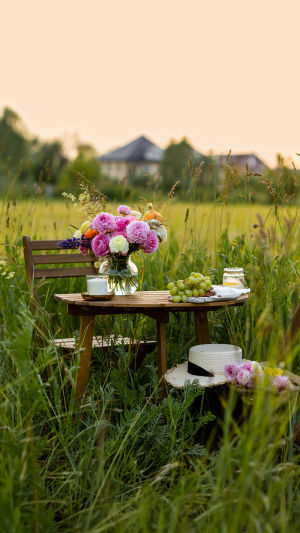
Creating a stunning floral arrangement goes beyond picking out pretty flowers. One powerful technique that adds depth and visual interest is the use of color gradients.
A seamless transition from one color to another can evoke emotion, guide the eye, and elevate the overall aesthetic of your bouquet or installation.
Whether you're designing for a special event, your home, or simply practicing, learning how to execute a perfect color gradient can truly make your flowers pop.
<h3>Choosing the Right Flowers for Gradients</h3>
When selecting flowers for your color gradient, choose varieties that naturally offer different hues. Some flowers, like roses, or hydrangeas, are available in a wide range of colors and can easily be arranged in a gradient.
1. Start with a Focal Color
Begin by deciding the main color that will dominate your design. For example, if you're working with a sunset theme, you might begin with a deep red or orange. This will anchor the gradient and set the tone for the rest of the arrangement.
2. Pick Flowers in Complementary Colors
Once you have your focal color, choose flowers in shades that will create a smooth gradient. If you started with red, you could gradually transition to orange, then yellow, and finally white. Some flowers, like marigolds, zinnias, and dahlias, naturally come in these colors, making the transition seamless.
<h3>Positioning Flowers to Enhance the Gradient</h3>
Where you place each flower within your arrangement can significantly impact how well the color gradient flows. The trick is to avoid abrupt changes, creating a transition that feels effortless.
1. Layer from Light to Dark (or Vice Versa)
If you're creating a gradient from light to dark, start with the lightest flowers at the top of your arrangement or at the edges. Place darker flowers in the center or at the base. This creates a natural flow that guides the eye across the arrangement.
2. Avoid Hard Edges
You want your gradient to feel like a smooth wave of colors. Avoid placing contrasting flowers right next to each other in a way that feels jarring. Instead, blend flowers of similar tones together, creating a soft transition between them.
<h3>Complementing with Foliage</h3>
While flowers are the main attraction, don't overlook the role of foliage in supporting your gradient. Greenery can act as a neutral backdrop, allowing the colors to pop. But, you can also use foliage to enhance the gradient itself. For example, eucalyptus or olive branches with silvery leaves can soften the transition between flowers, while dark green ivy can help deepen the darker shades.
Tip: Consider using variegated leaves, like those from caladiums, which have naturally gradient-like transitions in their color patterns, helping to reinforce the concept throughout the arrangement.
<h3>Creating Unique Gradients with Seasonal Flowers</h3>
One of the joys of working with floral gradients is that seasonal flowers provide their own palette of colors. In the spring, you might use tulips and lilacs in soft pastels to create a gradient that transitions from pale pink to lavender to white. In the fall, chrysanthemums, dahlias, and asters lend themselves to warm, autumnal gradients that range from amber to deep burgundy.
Example: For a fall-inspired gradient, you could arrange bright marigolds, golden sunflowers, and deep red dahlias. This not only captures the warmth of autumn but gives a sophisticated twist by blending warm hues in a gradient effect.
<h3>Step-by-Step Gradient Arrangement Example</h3>
To help you get started, here's a simple step-by-step guide on how to create a gradient floral arrangement:
1. Select Your Color Scheme – Decide on the colors you want to incorporate, considering the environment where the arrangement will be displayed. If you're working with a theme like "sunset," consider reds, oranges, and yellows.
2. Choose Your Flowers – Pick flowers that come in your selected colors. For example, choose red roses, orange lilies, and yellow daisies to create a sunset gradient.
3. Cut Stems at Different Lengths – Start with the tallest flowers in the center, gradually making the flowers shorter towards the edges to maintain a balanced look.
4. Create Layers – Begin layering your flowers by placing the darkest or most intense color at the center, gradually transitioning to lighter tones as you move outward.
5. Add Foliage and Fillers – Use greenery to fill in any gaps and support the flow of the color gradient. If you have darker tones near the center, dark green leaves can enhance the effect.
6. Final Adjustments – Step back and look at the arrangement. Make any adjustments to smooth the gradient flow by shifting flowers slightly.
<h3>Reflecting on the Power of Color Gradients</h3>
Mastering the technique of creating color gradients in floral arrangements isn't just about knowing which colors to combine, but understanding the emotional response that colors evoke. Soft pastels can bring calm, while bold, fiery gradients create excitement and energy.
So next time you find yourself arranging flowers, remember that the flow of color is a powerful way to express a mood or theme. Whether you're designing for a wedding, an event, or simply brightening up a room, color gradients can transform an ordinary bouquet into a masterpiece that tells a story.
By understanding the science behind color transitions, picking the right flowers, and carefully placing them in your arrangement, you'll be able to create floral designs that are not only visually stunning but emotionally engaging.


